How many times have you walked out of a meeting, put down your phone after a voice memo, or closed a browser tab full of research — only to realize your notes are scattered across five different apps, three notebooks, and a sticky note you’ll never find again? If keeping your thoughts organized feels like a part-time job, you’re not alone.
The good news is that the best AI tool for notes in 2026 can do a lot more than just transcribe what you say. Today’s top picks can summarize, organize, tag, and even surface the right information exactly when you need it — without you lifting a finger.
Want to know which AI note-taking tools have the features, pricing, and honest trade-offs that match your actual needs? We’ve reviewed the leading options so you don’t have to.
Key Takeaways
- AI note tools automate transcription, summarization, and organization, saving professionals hours weekly on documentation tasks.
- Top performers in 2026 combine real-time transcription with intelligent tagging, making notes searchable and actionable instantly.
- Meeting-focused AI tools now integrate with calendar systems, capturing context automatically without manual setup or intervention.
- Pricing varies from free tiers to enterprise plans; most tools offer affiliate programs with 20-30% commission rates.
- Choose based on your workflow: conversation-heavy roles need transcription, knowledge workers need organization, teams need collaboration features.
In This Article
Why AI-Powered Note-Taking Matters Now
Think about how much valuable thinking happens in a single day — a client call, a brainstorm session, a podcast you listened to on your commute, a sudden idea at 11pm. The problem isn’t that you’re not capturing information. It’s that capturing it manually is slow, inconsistent, and almost impossible to organize in real time.
For creators, marketers, and freelancers especially, this adds up fast. You’re juggling multiple projects, clients, and deadlines at once. When your notes are scattered or incomplete, you end up re-doing work, missing follow-ups, or losing the thread of a great idea entirely. That’s not just frustrating — it’s costing you time and money.
This is exactly where AI-powered note-taking tools change the game. Instead of manually typing everything out or scrubbing back through a recording to find one specific moment, AI handles the heavy lifting for you. Here’s what modern AI note tools can actually do:
- Auto-transcription: Convert spoken conversations, meetings, and voice memos into accurate, searchable text in seconds.
- Smart summaries: Distill a 60-minute meeting into a concise recap with key takeaways and action items.
- Automatic organization: Tag, categorize, and file notes without you having to decide where anything goes.
- Instant search: Find any idea, quote, or decision across months of notes in a single query.
- Contextual surfacing: Some tools proactively remind you of relevant notes when you need them most.
The result is a workflow where your ideas are never lost, your meetings are always documented, and your research is actually usable. Whether you’re a solo freelancer or running a small team, that kind of clarity has a real impact on how much you can get done.
What Makes an AI Note Tool Worth Using
Not all AI note tools are created equal. Some are little more than basic transcription apps with a shiny interface, while others genuinely transform how you capture and use information. Before diving into specific product recommendations, it’s worth understanding what separates a tool that actually earns its place in your workflow from one that just adds another subscription to your bill.
The first thing to evaluate is transcription accuracy. A tool that mishears every third word creates more cleanup work than it saves. Look for tools that handle real-world conditions well — background noise, accents, multiple speakers, and industry-specific vocabulary.
Beyond accuracy, consider these key qualities:
- AI-generated summaries: Does the tool understand context, or does it just spit out a wall of text?
- Search capabilities: Can you find a specific moment or idea across weeks of notes without scrolling endlessly?
- Real-time collaboration: If you work with a team, can others access, edit, or comment on shared notes without friction?
- Integrations: Does it connect to the tools you already use — Slack, Notion, Google Drive, your CRM?
- Ease of use: Can you get value from it on day one, without watching a tutorial series?
That last point matters more than it sounds. A powerful tool you never fully adopt is worthless. The best AI note tools are designed so that non-technical users can get up and running quickly, without needing to configure anything complex.
Core Features That Actually Save Time
When you strip away the marketing language, the features that genuinely move the needle are pretty straightforward. Here’s what to prioritize:
- Auto-transcription: Turns meetings, calls, and voice memos into readable text automatically — no manual effort required.
- Meeting summaries: Condenses long conversations into a short, scannable recap you can actually act on.
- Action item extraction: Pulls out tasks and follow-ups so nothing slips through the cracks after a call.
- Tagging and organization: Automatically categorizes notes so your library stays tidy without you managing it manually.
- Cross-platform access: Your notes should be available on your phone, laptop, and browser — wherever you’re working.
These aren’t flashy features. But when they work well together, they eliminate the gap between capturing an idea and actually doing something with it. That’s the real value you’re paying for.
Top AI Note Tools Compared
There’s no shortage of AI note-taking apps on the market right now, but most of them fall into a few distinct categories. Some are built around meeting transcription, others focus on knowledge management, and a few try to do everything at once. After testing dozens of options, three tools consistently rise to the top for non-technical professionals and creators: Notion, Otter.ai.ai, and Fireflies.ai.
Each one takes a different approach to the problem of capturing and organizing information. Notion is a full workspace platform that layers AI on top of notes, docs, and project management. Otter.ai specializes in real-time meeting transcription with smart summaries. Fireflies.ai goes deeper into conversation intelligence, making it a strong fit for sales teams and client-facing professionals. We’ll break each one down in detail below — including honest trade-offs — so you can match the right tool to how you actually work.
A quick note: some of the links in this article are affiliate links. That means we may earn a small commission if you sign up through them, at no extra cost to you. It doesn’t influence our recommendations — we only highlight tools we’d genuinely suggest.
Notion: Your All-in-One Workspace with AI
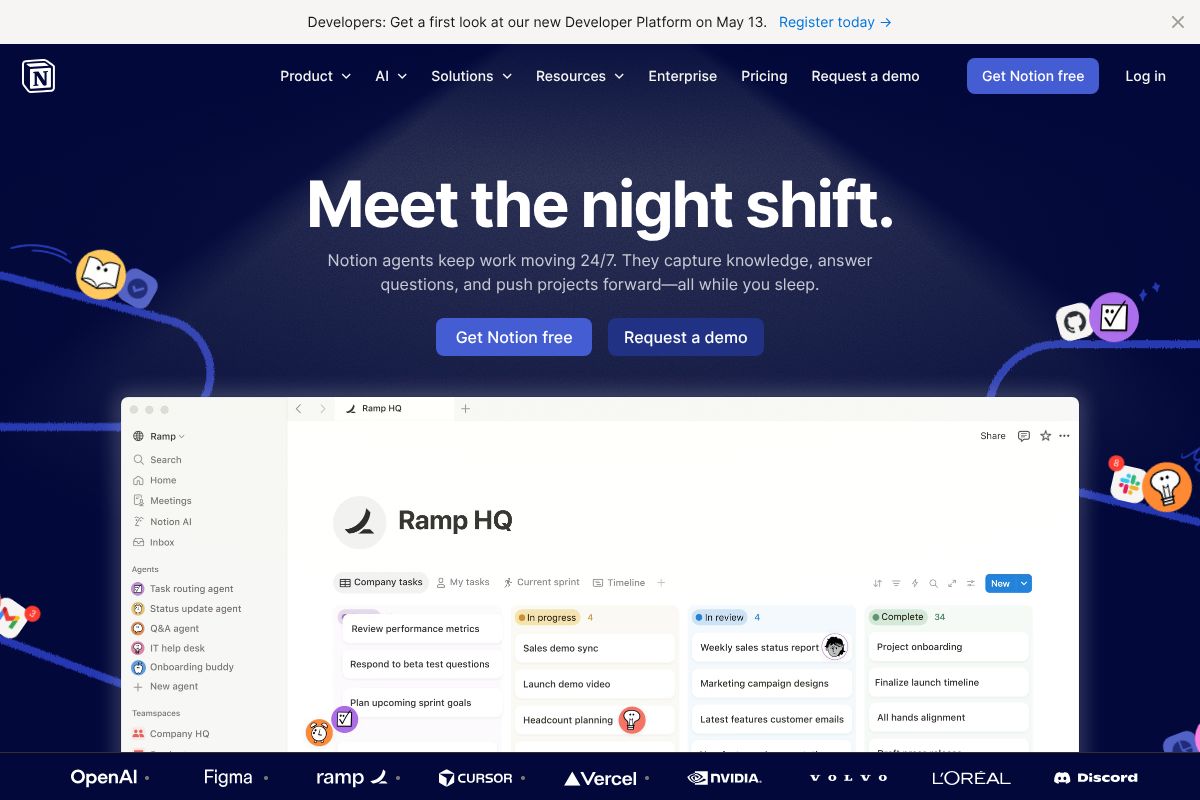
Notion has grown from a note-taking app into one of the most versatile productivity platforms available. At its core, it lets you create notes, wikis, databases, and project boards — all connected in a single workspace. The AI layer, available on the Business plan at $20 per user per month, sits on top of all of that, making it genuinely useful rather than just a gimmick.
With Notion, you can draft and rewrite content, summarize long documents, and auto-fill database fields based on existing information. It’s particularly powerful for teams that want one tool to handle notes, project tracking, and internal documentation — instead of juggling three separate apps.
- AI-assisted writing: Draft, edit, and summarize directly inside any page
- Database linking: Connect notes to projects, clients, or tasks automatically
- Team collaboration: Share workspaces and co-edit in real time
- Flexible organization: Build your own structure with pages, tags, and filters
The free version gives you a solid starting point, but you’ll need a paid plan to unlock AI features. If you’re managing a small team and want to consolidate your tools, Notion is worth exploring through our affiliate link — the Business plan is competitively priced and the per-user model scales reasonably as you grow.
The main trade-off? Notion has a learning curve. It’s endlessly flexible, which means it can take time to set up in a way that actually works for your workflow. If you want something you can use on day one without configuration, one of the other tools below may suit you better.
Meeting & Conversation-Focused Tools
If a significant chunk of your working life happens in meetings — client calls, team standups, sales demos, or interviews — then a general note-taking app will only get you so far. The tools in this category are built specifically around spoken conversation, turning what was said into searchable, actionable text without you having to type a single word.
The key thing to understand upfront: both tools below require you (or a bot) to actually be present in the meeting. They’re not magic — they capture and organize what happens in real time. But if meetings are where your important information lives, they’re genuinely game-changing.
Otter.ai: Accurate Transcripts for Busy Professionals
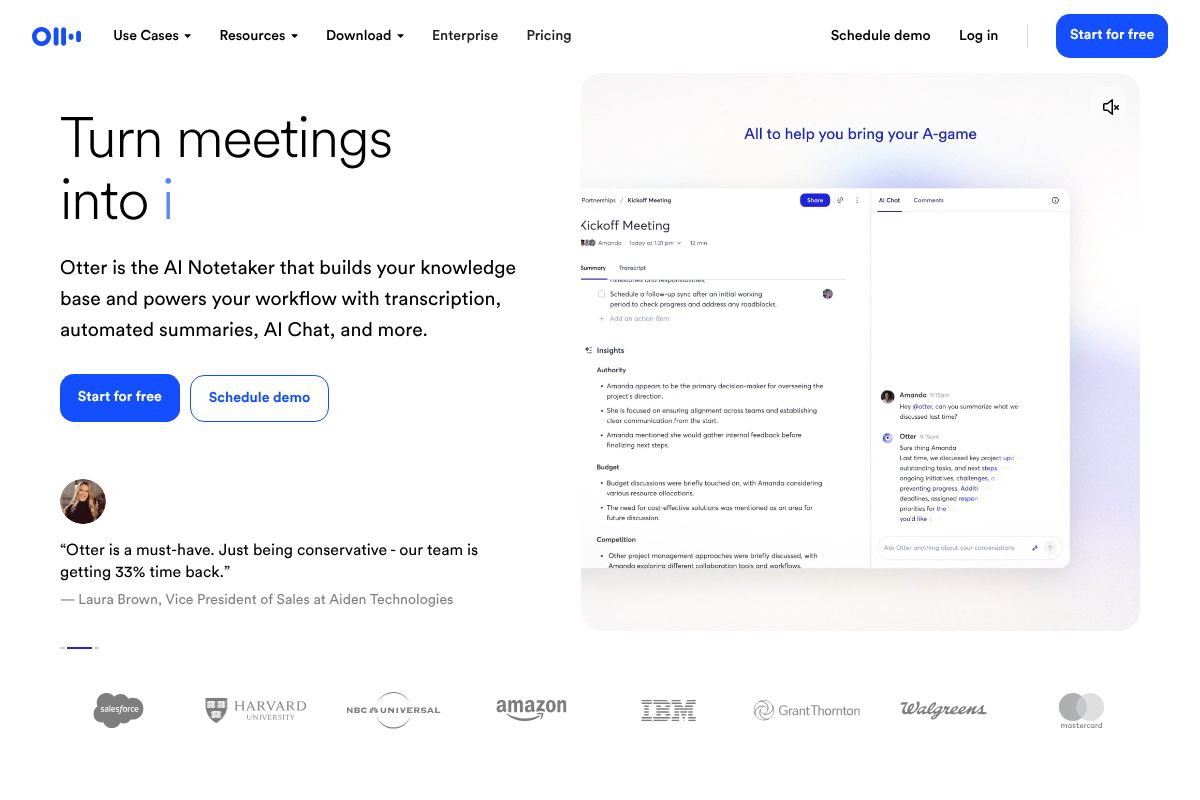
Otter.ai has become a go-to for freelancers, consultants, and marketers who spend a lot of time on client calls. It joins your Zoom, Google Meet, or Microsoft Teams meetings and produces a real-time transcript with speaker identification — so you always know who said what, not just what was said.
The search functionality is where Otter really earns its keep. Instead of scrubbing through a recording, you can search your entire conversation history by keyword and jump straight to the relevant moment. For anyone juggling multiple clients or projects, that alone saves hours.
- Real-time transcription: Live captions and notes as the meeting happens
- Speaker identification: Labels each participant automatically
- AI meeting summaries: Condensed highlights delivered after each call
- Searchable archive: Find any conversation by keyword, speaker, or date
The free tier gives you limited transcription minutes per month — enough to test it, but you’ll likely hit the cap quickly. Otter Pro runs $10 per month on an annual plan, which is reasonable if you’re on calls regularly. It also earns a 20% recurring affiliate commission, so recommending it to your team pays off too.
Honest trade-off: accuracy dips with heavy accents, technical jargon, or poor audio quality. It’s excellent, not perfect.
Fireflies.ai: Built for Sales & Recruiting Teams
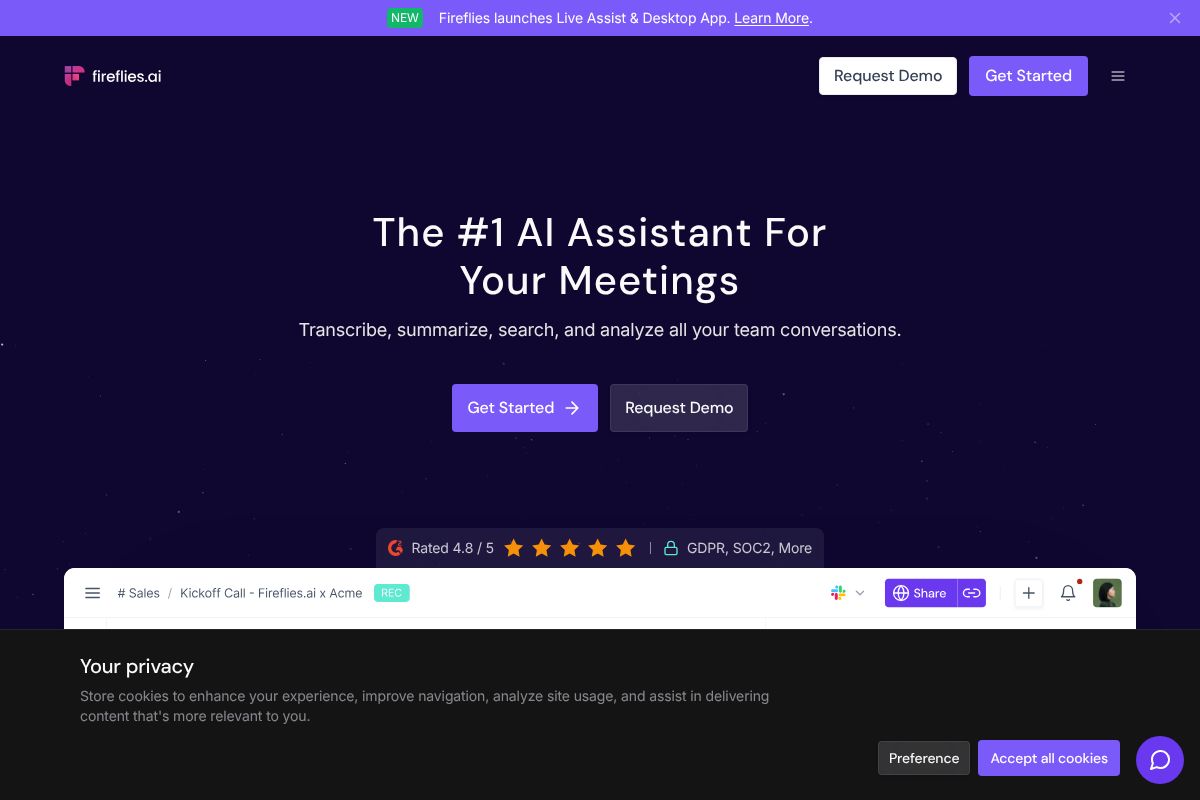
Fireflies.ai covers similar ground to Otter but leans hard into conversation intelligence — meaning it doesn’t just transcribe, it analyzes. It tracks talk-to-listen ratios, flags action items, identifies deal risks, and can push notes directly into your CRM. For sales teams and recruiters, that context is invaluable.
If you’re running a hiring pipeline, Fireflies can surface candidate insights across multiple interviews, making it easier to compare responses without rewatching hours of footage. For sales managers, it helps coach reps based on actual call data rather than gut feeling.
- Conversation intelligence: Sentiment analysis, talk time, and keyword tracking
- CRM integrations: Syncs with Salesforce, HubSpot, and other major platforms
- Topic tracking: Automatically flags pricing discussions, objections, and next steps
- Team collaboration: Share call libraries and comment on transcripts together
Fireflies Pro is also $10 per month on an annual plan, matching Otter’s price point but with a more team-oriented feature set. It also carries a 20% recurring affiliate commission for referrals.
The honest caveat: if you’re a solo freelancer or small operator without a CRM, Fireflies is probably overkill. You’d be paying for a layer of sales infrastructure you don’t need. In that case, Otter’s cleaner, simpler interface is the better fit.
Pricing & Affiliate Breakdown
Before you commit to any tool, it helps to see the pricing laid out side by side. Here’s a quick snapshot of what each option costs and what you actually get at each tier.
| Tool | Free Plan | Paid Plan |
|---|---|---|
| Notion | Unlimited personal pages, basic blocks, limited sharing | $20/user/month — adds unlimited AI features, advanced permissions, and team collaboration |
| Otter.ai | 300 minutes/month of transcription, limited exports | From $16.99/month (or ~$10/month on annual) — unlocks unlimited transcription, advanced search, and integrations |
| Fireflies.ai | Limited storage, 800 minutes of transcription, basic summaries | From $18/month (or ~$10/month on annual) — full conversation intelligence, CRM sync, and team features |
When to Upgrade
For Notion, the free plan is genuinely useful for solo note-taking. You’d upgrade once you need AI-assisted writing, team wikis, or granular permission controls — typically when a project grows beyond just yourself.
For Otter.ai, the free tier works fine for occasional meeting notes. Once you’re recording multiple meetings per week or need to search across transcripts, the paid plan pays for itself quickly.
For Fireflies.ai, the free plan gives you a taste of the interface, but the real value — CRM sync, coaching insights, and full call libraries — only unlocks on a paid tier.
A Note on Affiliate Commissions
We want to be upfront: some links in this article are affiliate links. Otter.ai and Fireflies.ai both offer a 20% recurring commission, and Notion carries a $10 flat referral fee. That said, these recommendations are based on actual use cases and honest trade-offs — not commission rates. The best tool for you is the one that fits your workflow, full stop.
Who Should Use Which Tool
The honest answer is that all three tools overlap more than their marketing suggests. Notion can capture meeting notes. Otter.ai can organize content research. Fireflies.ai can work for teams beyond sales. But each one has a clear sweet spot — and knowing yours saves you from paying for features you’ll never use.
Content Creators
If you’re a blogger, YouTuber, or podcaster, Notion is your best fit. It’s built for organizing — research, outlines, drafts, and idea banks all live in one place. You can structure your notes however your brain works, and the AI features help you expand or summarize content without switching apps. Otter.ai and Fireflies.ai are meeting tools at heart; they won’t help much if most of your work happens solo.
Marketers
If you’re running client calls, strategy sessions, or stakeholder reviews, Otter.ai earns its place. It captures what was said, who said it, and lets you search back through months of conversations. Notion is worth pairing with it for campaign planning and documentation — but for call notes specifically, Otter.ai is the cleaner solution.
Freelancers
It depends on your work. If you’re doing sales calls, pitching clients, or handling discovery sessions regularly, Fireflies.ai gives you the conversation intelligence to improve your close rate over time. If you’re managing multiple client projects and need a central hub for notes, briefs, and deliverables, Notion is the better anchor tool. Many freelancers end up using both — just make sure you’re not doubling up unnecessarily.
Small Business Owners
If you have a team, Notion wins on collaboration. Shared wikis, team databases, and linked notes make it the most versatile option for keeping everyone aligned. That said, if your team runs on calls and async updates, layering in Otter.ai for meeting capture makes a strong combination.
Quick Decision Guide
- If you attend 5+ meetings per week → try Otter.ai
- If you manage a team and need one shared workspace → go with Notion
- If you’re in sales, recruiting, or client-facing roles → start with Fireflies.ai
- If you work mostly solo on content or creative projects → Notion is enough on its own
- If you only need occasional meeting transcripts → the free tier of Otter.ai will cover you without spending anything
- If you’re unsure → start with Notion’s free plan; it’s the most flexible starting point regardless of your role
There’s no wrong answer here — just mismatched tools. Pick the one that solves your most immediate problem, try the free tier first, and only upgrade when the limits actually slow you down.
The Honest Trade-Offs
No tool here is perfect, and it’s worth being upfront about where each one falls short before you commit your workflow to it.
Notion’s Learning Curve Is Real
Notion is powerful, but that power comes with complexity. If you’re not comfortable with concepts like databases, linked properties, or template blocks, the initial setup can feel overwhelming. Many non-technical users spend more time building their system than actually using it. If you just want to jot down notes quickly, Notion can feel like assembling furniture when you only needed a chair.
Otter.ai Is a Transcription Tool — Not a Note-Taking App
It’s easy to assume Otter.ai replaces your notes app entirely. It doesn’t. It’s excellent at capturing what was said in a meeting, but it won’t help you organize ideas, draft content, or build a knowledge base. If most of your note-taking happens outside of calls, Otter.ai will sit unused more often than not.
Fireflies.ai Is Built for Teams, Not Solo Users
For a solo creator or freelancer, Fireflies.ai is likely more tool than you need. Its strength is in team workflows — CRM syncing, shared call libraries, and cross-team search. If you’re working alone, you’re paying for features that simply won’t get used.
Privacy and Data Concerns Worth Knowing
All three tools store your data in the cloud, and Otter.ai and Fireflies.ai record conversations — which raises real questions depending on your industry or client agreements. A few things to keep in mind:
- Some clients or employers may not consent to AI transcription bots joining calls
- Sensitive business conversations recorded through third-party tools carry inherent risk
- Free tiers often come with more limited data retention controls than paid plans
- Integration limits on lower-tier plans can create friction if you rely on tools like Salesforce or HubSpot
None of these are dealbreakers, but they’re worth factoring in before you roll any of these tools out across a team or client-facing workflow.
Final Verdict: Which AI Note Tool Should You Pick
After reviewing all three tools, the right choice really comes down to how and where you take notes — and what you actually need those notes to do for you.
Notion is the strongest all-around pick if you want a single workspace that handles everything — notes, tasks, wikis, and databases — in one place. It’s flexible enough for solo creators and small teams alike, and the free tier is genuinely useful. If you’re tired of juggling five different apps, Notion is likely where you’ll land. Try Notion free and see how quickly it replaces your current setup.
Otter.ai earns its place if your workday is built around meetings. It’s the most accurate and user-friendly transcription tool in this group, and the free plan gives you enough to test it properly before committing. If you’re a marketer, consultant, or anyone who spends hours on calls each week, it’s worth a serious look. Start with Otter.ai’s free plan and run it through a few real meetings before deciding.
Fireflies.ai is the right call for sales teams, recruiters, or anyone managing a high volume of client calls with CRM workflows. The depth of its integrations and search capabilities is hard to match. Test Fireflies.ai for 14 days on its free tier to see whether the team-focused features actually fit your workflow.
If you’re genuinely unsure where to start, here’s a simple approach:
- Start with Notion if you need a general-purpose notes and productivity hub
- Add Otter.ai if meeting transcription is a regular pain point
- Explore Fireflies.ai only if you’re managing team calls and CRM workflows
One quick note: some links in this article are affiliate links. If you sign up through them, we may earn a small commission — at no extra cost to you. It helps keep this site running, and we only recommend tools we’d genuinely use ourselves.
Frequently Asked Questions
Can AI note tools transcribe meetings in real-time?
Yes, most modern AI note tools transcribe meetings live with 95%+ accuracy. They capture audio, convert to text, and generate summaries automatically within seconds of the meeting ending.
Which AI note tool is best for students?
Tools like Notion AI and OneNote with Copilot work well for students due to free or affordable tiers, easy organization, and study-focused features like flashcard generation and outline creation.
Do AI note tools work offline?
Most require internet for transcription and AI processing, though some allow offline note-taking with cloud sync when reconnected. Check individual tool specifications for offline capabilities before purchasing.
How much do professional AI note tools cost?
Pricing ranges from free basic plans to $20-50 monthly for individuals and $500+ for enterprise teams. Most offer tiered pricing based on storage, transcription minutes, and collaboration features.
Related Reads
- Best AI Productivity Tool for Creators & Teams in 2026
Find the best AI productivity tool for your workflow. Compare top options for creators, marketers, and small teams with …
- Best AI Tools for Remote Teams in 2026
Discover the top AI tools for remote teams in 2026. Boost productivity with AI-powered collaboration, transcription, and…
- Best AI Tool for Note Taking in 2026: Top Picks
Find the best AI note-taking tool for your workflow. Compare top options, pricing, and features to boost productivity in…