You’ve just had a genuinely great experience with a product, a service, or a creator’s work — and someone’s asking you to leave a review. Suddenly, your mind goes blank. You know what to say for a positive review should be easy, but the words just don’t come. Sound familiar?
Whether you’re a content creator asking your audience for testimonials, a small business owner coaching happy customers, or a freelancer trying to collect social proof, knowing how to frame positive feedback is a real skill. A vague “great service!” does almost nothing. A specific, well-structured review? That builds trust, drives conversions, and actually helps people make decisions.
Meaningful reviews aren’t accidents—they’re built on specific language choices and strategic framing that we’ll break down with real examples you can use immediately.
Key Takeaways
- Strong positive reviews highlight specific features and personal experiences rather than generic praise or vague compliments about quality.
- Structure matters: effective reviews include context, detailed observations, honest comparisons, and clear recommendations for specific customer types.
- Authenticity drives conversions more than perfection; reviewers should share genuine experiences with both strengths and minor limitations when relevant.
- Strategic placement across multiple platforms amplifies review impact, with different channels requiring slightly adjusted tone and length considerations.
- Avoid common pitfalls like excessive enthusiasm, competitor bashing, or unsubstantiated claims that undermine credibility and reader trust immediately.
In This Article
- Why Your Positive Reviews Matter (More Than You Think)
- The Anatomy of a Strong Positive Review
- What to Say: 7 Key Elements of a Positive Review
- Review Templates You Can Adapt
- Common Mistakes to Avoid in Positive Reviews
- Where and How to Share Your Review
- Real Examples: What Good Positive Reviews Look Like
- Start Writing Reviews That Actually Convert
Why Your Positive Reviews Matter (More Than You Think)
It’s easy to think of a review as a small gesture — a quick favor for a brand you like. But in practice, reviews are one of the most powerful forms of content on the internet. They shape purchasing decisions, build brand credibility, and increasingly, they show up in search results where potential customers are actively looking for validation before they buy.
For creators, marketers, and small business owners, understanding the real weight of a well-written review changes how you approach them — both when you’re writing one and when you’re asking your audience to leave one for you.
How Reviews Influence Buying Decisions
The numbers here are hard to ignore. Studies consistently show that the vast majority of consumers — often cited at over 90% — read reviews before making a purchase. More importantly, people trust peer reviews almost as much as a personal recommendation from a friend. A polished marketing page can tell someone your product is great. A specific, honest review from a real user actually proves it.
For SaaS tools and digital products especially, reviews carry extra weight because buyers can’t physically try before they buy. They’re relying on the experiences of people like them to reduce risk.
There’s also an SEO angle worth knowing. User-generated content — including reviews — feeds search engines fresh, keyword-rich material that product pages alone can’t generate. A detailed review that mentions specific features, use cases, or outcomes can surface in Google searches and bring in discovery traffic organically.
- Social proof: Reviews reduce buyer hesitation and increase conversion rates
- Search visibility: Detailed reviews rank for long-tail queries your audience is already searching
- Trust signals: Authentic language in reviews outperforms branded copy every time
- Community credibility: For creators, glowing testimonials build authority in your niche
In short, a thoughtful positive review isn’t just a nice thing to do — it’s content that works.
The Anatomy of a Strong Positive Review
Not all positive reviews are created equal. A five-star rating with two words underneath it doesn’t help anyone make a decision — it just adds noise. What actually moves the needle is a review that feels real, reads like it came from someone with genuine experience, and gives the next buyer something concrete to hold onto.
The strongest reviews share a few key traits: they’re specific, they’re honest, they’re grounded in real-world use, and they don’t read like a press release. Think about the last time a review actually convinced you to buy something. Chances are, it told you exactly how the product fit into someone’s workflow — not just that it was “amazing.”
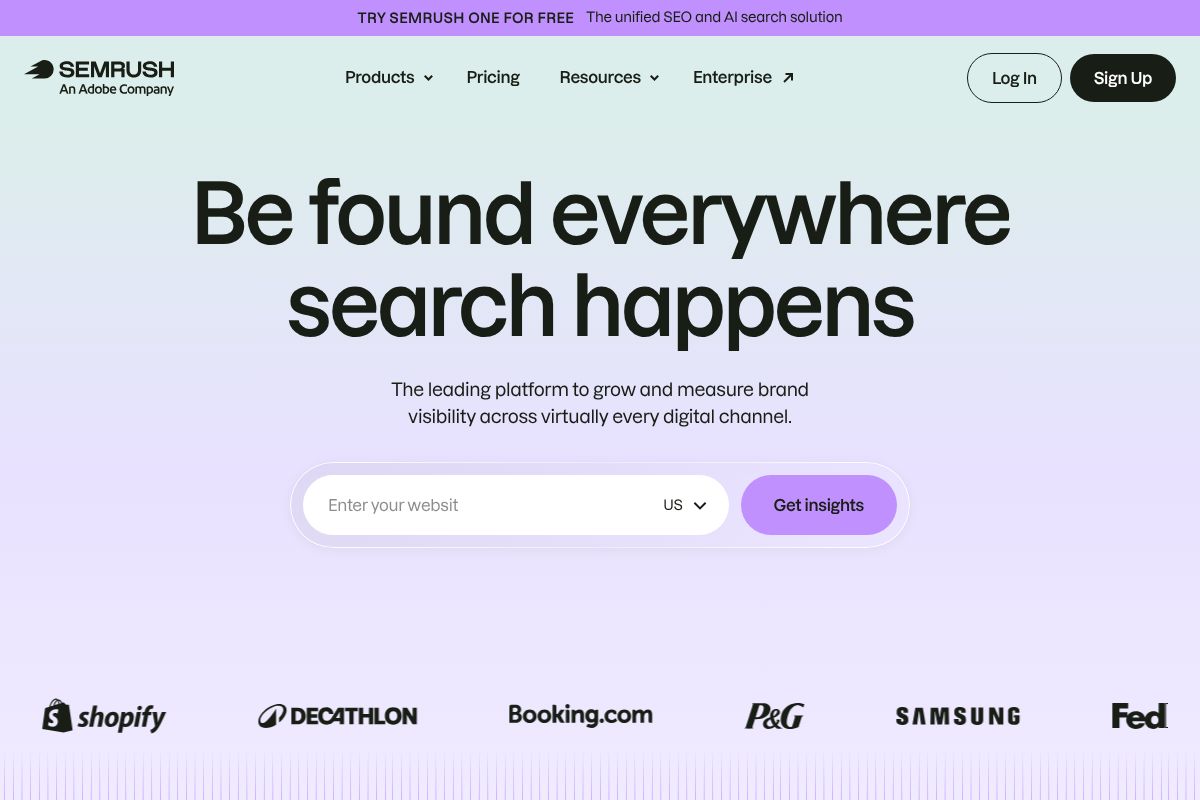
If you’re reviewing a tool like Semrush, for example, a surface-level take doesn’t do it justice. A platform that touches keyword research, competitor analysis, site auditing, and content planning deserves a review that reflects the depth of what it actually does — and what it doesn’t.
Specificity Over Hype
Generic praise is the enemy of a useful review. Compare these two takes:
- “Great tool, highly recommend!”
- “Semrush cut my rank tracking time by about five hours a week — I used to do this manually across three spreadsheets.”
The second one is credible because it’s measurable. It tells a reader exactly what changed and why it mattered. When you write a review, anchor your praise in outcomes. How much time did you save? What result did you see? Which specific feature made the difference? Numbers, workflows, and before-and-after comparisons all signal that you actually used the thing — and that’s what builds trust.
Balancing Praise with Honest Trade-offs
Counterintuitively, mentioning limitations makes your review more persuasive, not less. A review with zero criticism reads like an ad. One that acknowledges a genuine drawback reads like a real person.
For instance: Semrush is one of the most powerful SEO platforms available, but it does have a noticeable learning curve if you’re new to SEO. That kind of honesty doesn’t undermine the praise — it contextualizes it. Readers self-select: someone who’s comfortable with a learning curve will feel reassured, not scared off. Being upfront about trade-offs is what separates a credible recommendation from empty cheerleading.
What to Say: 7 Key Elements of a Positive Review
Knowing a tool is good isn’t the same as knowing how to articulate why it’s good. These five core elements give your review structure, credibility, and usefulness — whether you’re writing a blog post, a G2 listing, or a YouTube description.
1. Start with the Problem You Had
The most relatable reviews open with pain, not praise. Lead with the frustration you had before the tool entered your life. This immediately signals to readers who share that problem that they’re in the right place.
Use this template as your starting point:
“Before [tool], I struggled with [specific pain]. Now I [specific outcome].”
For example: “Before I found a proper keyword research workflow, I spent hours guessing at topics. Now I plan an entire month of content in one sitting.” That’s a review opener that earns attention because it mirrors a real experience.
2. Name the Feature That Changed the Game
Don’t just say a tool is powerful — point to the exact feature that moved the needle for you. Specificity here is everything.
Take Surfer SEO SEO as an example: rather than saying “it helped me rank better,” a sharper take would be, “The real-time optimization suggestions cut my editing time in half — I could see exactly where I was missing keywords without toggling between tabs.” That one sentence tells a reader what the feature does, how it fits into a workflow, and why it saves time. That’s the kind of detail that actually helps someone decide.

3. Quantify Your Results (If You Have Them)
Numbers make vague praise concrete. You don’t need a full analytics report — even rough estimates carry weight when they’re honest.
- Time saved: “I publish 2x faster than I did six months ago.”
- Traffic gained: “My organic sessions went up about 40% over three months.”
- Cost reduced: “I cancelled two other subscriptions once this covered those use cases.”
If you genuinely don’t have hard numbers, describe the before-and-after in behavioral terms. “I used to dread Mondays — now my content calendar is done by Friday afternoon” is still far more useful than “it’s a great tool.”
4. Mention Ease of Use or Learning Curve
Readers want to know what onboarding actually feels like — not the marketing version of it. Be honest, even if the answer is “it took a while.”
Something like this lands well: “It took me about two weeks to get comfortable, but once I understood the dashboard layout, everything clicked. The interface is intuitive — it just assumes you already know the basics.” That kind of transparency helps the right people self-select in, and saves the wrong people from a frustrating purchase. Honest ease-of-use commentary is one of the most-read parts of any software review.
5. Address Pricing Relative to Value
Price without context is meaningless. What readers actually want to know is whether it’s worth it — and that depends entirely on what they get back.
Try this template:
“At $[price]/month, it pays for itself in [timeframe] because [specific ROI].”
For example: “At $59/month, it paid for itself within the first two weeks — one optimized article brought in a client inquiry worth ten times that.” Even if your ROI is time rather than revenue, frame it that way. “It saves me four hours a week, which at my hourly rate is worth far more than the subscription” is a compelling value argument that resonates with freelancers and creators immediately.
Review Templates You Can Adapt
You don’t have to start from a blank page every time you write a review. These four templates give you a proven structure you can customize in minutes — whether you’re leaving a quick rating on a platform or writing a full breakdown for your blog.
The Quick Win Template
This one is built for speed. Use it when you’re leaving a review on a marketplace, app store, or social post where brevity is the whole game. The goal is one clear outcome, one emotional signal, and a bottom-line verdict.
Template:
“[Tool] helped my team [specific result] in [timeframe]. The setup was [easy/straightforward/minimal], and it’s become a non-negotiable part of our workflow. Worth every penny.”
Example: “NeuralText helped my content team build topical clusters 40% faster than our old manual process. Setup took an afternoon, and it’s been running in the background ever since. Worth every penny.”
Keep it under 75 words. Specificity does the heavy lifting here.
The Detailed Breakdown Template
Use this structure for blog posts, review sites, or anywhere readers are actively researching before buying. It follows a natural decision-making arc.
- Intro: Who you are and why you tested this tool
- Key features: Two or three that actually moved the needle for you
- Real results: Measurable outcomes or time saved
- Trade-offs: What it doesn’t do well or who it’s not for
- Final verdict: A clear recommendation with a target user in mind
This format works especially well for content teams evaluating tools like NeuralText, where different team members care about different features — SEO leads want the cluster data, writers want the brief quality.
The Comparison Review Template
Comparison reviews consistently rank well and convert well, because readers are already mid-decision. Structure yours like this:
“I tested [Tool A] and [Tool B] side by side for [timeframe]. Here’s what each does best — and which one I’d recommend depending on your situation.”
Then break it down by use case, not just features. Avoid declaring one tool a flat winner. Instead, assign each tool a clear “best for” category — that’s what actually helps readers choose.
The Honest Limitations Template
This is the most trusted format because it signals you’re not just a fan — you’re a thoughtful user. Lead with genuine praise, then name the real friction point.
Template:
“[Tool] is the best option I’ve found for [specific use case]. That said, [honest drawback] — so if you’re [type of user], factor that in before committing.”
Example: “Semrush is the best tool I’ve used for rank tracking and competitive research. But the interface genuinely overwhelms beginners — if you’re just starting out, expect a steep learning curve before it clicks.”
This format builds credibility fast. Readers trust reviewers who admit limitations far more than those who don’t.
Common Mistakes to Avoid in Positive Reviews
Writing a glowing review is easy. Writing one that people actually trust is harder. Most positive reviews fail not because the reviewer is dishonest, but because they fall into a few predictable traps that make the whole thing feel hollow. Here’s what to watch out for.
- Generic language: Phrases like “game-changer” and “incredibly powerful” mean nothing without context. Every tool claims to be both.
- No specifics: If you can’t name a feature, a result, or a workflow, readers will assume you barely used it.
- Ignoring downsides: A review with zero criticism reads like an ad. It doesn’t just fail to help — it actively hurts your credibility.
- No personal context: Who are you, and why does your experience matter? A freelance writer and an enterprise marketer will get completely different results from the same tool.
- Burying the lede: If your most useful insight is in paragraph six, most readers never see it.
Sounding Like You’re Reading a Sales Page
This one deserves its own spotlight because it’s the most common credibility killer. There’s a clear difference between marketing copy and a real user’s voice — and readers feel it immediately, even if they can’t articulate why.
Compare these two sentences:
- “This tool offers cutting-edge AI-powered solutions for modern content teams.”
- “I actually use this every day to find keywords my competitors miss — it’s become the first tab I open on Monday mornings.”
The first sentence could have been written by anyone. The second could only have been written by someone who uses the tool. That specificity — the Monday morning detail, the competitive angle — is exactly what makes a review worth reading. If your draft sounds like it came from a product landing page, rewrite it in your own voice until it doesn’t.
Where and How to Share Your Review
Writing a great review is only half the job — where you publish it determines how much impact it actually has. The most effective approach is to think in layers: start with a full, detailed review on your own blog or website, then distribute shorter versions or excerpts across other platforms.
For third-party platforms, G2, Capterra, and the tool’s own website are the highest-value destinations. These sites already attract buyers who are actively comparing options, so your review lands in front of the right audience at the right moment. Most platforms let you link back to your site, which is worth doing.
Here’s why publishing on your own blog matters beyond just visibility: detailed, honest reviews rank in search engines. If you write a thorough piece on a specific tool, it has a real chance of appearing when someone searches for “[tool name] review” or “is [tool name] worth it.” That kind of long-tail traffic is highly targeted — those readers are close to a decision and genuinely want your take. A review post that earns consistent organic traffic can become one of your best-performing pieces of content with very little ongoing effort.
Maximizing Reach and Impact
Once your full review is live, a simple cross-posting strategy stretches its reach significantly. Share a highlight or key takeaway on LinkedIn, X, or Instagram — whichever platform fits your audience — and link back to the full piece. Use relevant hashtags, but keep it to two or three targeted ones rather than a wall of tags.
Tag the company in your post. Most brands will reshare genuine user reviews, which puts your content in front of their entire audience at no extra effort to you. Just make sure the post stands on its own — don’t make it feel like you’re fishing for a repost.
- Post the full review on your blog first, then syndicate
- Submit shorter versions to G2 or Capterra with a link back
- Share one specific insight on social — not a summary, a moment
- Tag the brand once; don’t repeat-post the same content
Authenticity is the throughline here. A review that reads like genuine experience will get shared. One that reads like promotion won’t.
Real Examples: What Good Positive Reviews Look Like
Sometimes the best way to understand what works is to see it in action. Here are three realistic examples of positive reviews from creators and marketers — along with a quick note on what makes each one land.
Example 1: The Specific Result
“I’ve been using this tool for about three months now to batch my social captions. Before, I was spending two hours every Sunday planning the week. Now it’s closer to 30 minutes. It’s not perfect — the first draft usually needs a tweak — but the time savings alone are worth it.”
Why it works: It leads with a concrete before-and-after. The honest caveat (“needs a tweak”) makes the praise feel earned, not inflated.
Example 2: The Workflow Detail
“What surprised me most was how well it handled my brand voice. I fed it three sample posts and it picked up the tone almost immediately. My editor barely touched the output.”
Why it works: It’s specific about how the tool was used, not just that it was used. That specificity builds trust fast.
Example 3: The Honest Recommendation
“Not the cheapest option out there, but if you’re publishing consistently, the ROI is real. I’d recommend it to any creator who’s serious about scaling.”
Why it works: Acknowledging the price objection upfront shows the reviewer has thought it through — and makes the recommendation feel credible rather than casual.
Start Writing Reviews That Actually Convert
You now have the frameworks, the templates, and the real-world examples. The only thing left is to actually write your first review — and the best time to do that is right now, while a tool is fresh in your mind.
Start with something you’re already using. If you’re doing keyword research, tools like Semrush or Surfer SEO are worth reviewing in detail. If you’re creating content at scale, something like NeuralText gives you plenty of specific features to dig into. Pick one, open a blank doc, and work through the structure: result, workflow detail, honest trade-off, recommendation.
Here’s the thing most creators miss — a well-written review does double duty. It helps your audience make smarter buying decisions, and it positions you as someone worth listening to. That’s how authority compounds over time.
- Use the templates as a starting point, not a script
- Lead with a real result or specific use case
- Don’t skip the trade-offs — they’re what make readers trust you
Share your experience. Creators just like you are reading — and your honest take might be exactly what helps someone make the right call.
Our Verdict
Editorial rating: 4.6/5
Essential guide for impactful review writing
This guide effectively teaches creators how to write positive reviews that convert by balancing specificity with authenticity. The templates and real examples provide immediate value, though some readers may find the platform-specific guidance could be more detailed for niche industries.
Frequently Asked Questions
How long should a positive review be?
Aim for 150-300 words for detailed reviews on major platforms. Shorter 50-100 word reviews work well for social media. Length matters less than specificity; one detailed paragraph beats three generic sentences.
What should I include in a positive product review?
Include specific features you used, how they solved your problem, comparisons to alternatives if relevant, who would benefit most, and honest limitations. Avoid generic praise; focus on concrete details that help readers make decisions.
How do I write a positive review that sounds authentic?
Use natural language, mention specific moments or examples, acknowledge minor drawbacks if applicable, and explain your actual use case. Authenticity comes from personal experience details, not perfect grammar or excessive enthusiasm.
Where should I post positive reviews for maximum impact?
Post on the business’s native platform first, then Google Reviews, industry-specific sites, and social media. Each platform reaches different audiences; Google Reviews and native sites carry most weight for SEO and customer decisions.
Related Reads
- Surfer SEO vs Frase: Which AI Tool Wins in 2026?
Compare Surfer SEO and Frase in 2026. See pricing, features, and which AI SEO tool fits your content strategy best.…
- Surfer SEO vs NeuralText: Which AI Tool Wins in 2026?
Compare Surfer SEO and NeuralText in 2026. See pricing, features, and which AI SEO tool fits your content strategy best.…
- Best SEO Tool for Small Business in 2026
Find the best SEO tool for your small business in 2026. Compare top options, pricing, and features to boost your ranking…