You’ve got a blank document, a deadline looming, and roughly 2,000 words to write before lunch. Sound familiar? Whether you’re drafting a detailed blog post, a long-form sales page, or an in-depth industry report, the writing process can feel like pushing a boulder uphill — even when you know exactly what you want to say. That’s where finding the best AI for long-form writing in 2026 can genuinely change how you work.
Long-form writing tools fall into distinct categories: some excel at structure and research, others at matching your voice, and a few attempt both — here’s how the best contenders actually compare.
Key Takeaways
- AI long-form writing tools automate content creation, saving writers hours while maintaining quality and consistency across thousands of words.
- Top platforms offer specialized features like research integration, tone customization, and SEO optimization designed specifically for extended-form content.
- Pricing varies dramatically from free tiers to enterprise plans, with most professional-grade tools costing between fifty and three hundred dollars monthly.
- Different AI tools excel at different tasks: some prioritize creativity, others focus on research depth, and several balance both effectively.
- Successful long-form AI writing requires strategic prompting, human editing, and understanding each tool’s strengths to maximize output quality and relevance.
In This Article
- What Is AI Long-Form Writing, and Why It Matters
- Key Features to Look for in Long-Form AI Writing Tools
- Top AI Tools for Long-Form Writing: Feature Breakdown
- Pricing and Value: What You’ll Actually Spend
- Pros and Cons: Honest Trade-Offs
- Who Should Use Each Tool: Match Your Needs
- How to Get the Most Out of AI Long-Form Writing
- The Verdict: Which AI Is Best for You?
What Is AI Long-Form Writing, and Why It Matters
Long-form writing refers to any content that runs beyond the typical short-form format — think blog posts, how-to guides, whitepapers, case studies, email newsletters, and even full-length ebooks. These pieces usually clock in at 1,000 words or more, and they require structure, flow, and a consistent voice from start to finish. That’s a lot to manage, especially when you’re juggling multiple projects or clients at once.
AI long-form writing tools are designed to help you tackle exactly that. Instead of staring at a blank page, you give the tool a topic, a brief, or a set of talking points — and it generates a structured draft you can refine and publish. The best tools don’t just dump words on a page; they help you organize ideas, maintain a logical flow, and keep your tone consistent across thousands of words.
For content creators and marketers, the benefits go beyond just saving time. Here’s what most users find genuinely useful:
- Speed: A first draft that might take you three hours can be ready in minutes, freeing you up for editing and strategy.
- Consistency: AI tools don’t get tired or distracted — your tenth paragraph gets the same attention as your first.
- Overcoming writer’s block: Sometimes you just need something on the page to react to, and AI gives you exactly that starting point.
- Scalability: If you need to produce more content without hiring more writers, AI makes that possible without sacrificing quality.
Of course, AI isn’t a replacement for your expertise or your unique perspective. Think of it as a capable writing partner — one that handles the heavy lifting so you can focus on the parts only you can do.
Key Features to Look for in Long-Form AI Writing Tools
Not all AI writing tools are built the same, and when it comes to long-form content, the differences really start to show. A tool that works great for social media captions might fall apart when you ask it to produce a 3,000-word guide with a clear structure and consistent voice. Before committing to any platform, it’s worth knowing which features will actually move the needle for your workflow.
Here are the core capabilities you should be evaluating:
- Content templates: Pre-built frameworks for blog posts, white papers, case studies, and more
- Tone and voice customization: The ability to match your brand’s personality across every piece
- SEO optimization: Built-in keyword suggestions, readability scores, and on-page guidance
- Plagiarism checking: Confidence that your output is original before you hit publish
- Editing and refinement tools: Sentence-level rewrites, summarization, and expansion features
- Publishing integrations: Direct connections to WordPress, HubSpot, or your CMS of choice
- Multi-language support: Critical if you’re creating content for global audiences
The weight you give each feature depends entirely on how you work. A solo blogger might prioritize SEO tools and templates, while a marketing team might care most about voice consistency and integrations.
Content Templates and Workflows
Templates are one of the most underrated time-savers in long-form writing. Instead of figuring out structure from scratch every time, a good template gives you a proven framework — intro, key sections, conclusion — so you can focus on the actual content. This is especially valuable when you’re producing multiple pieces per week or onboarding new team members. Consistent structure also signals professionalism to your readers, making your content easier to scan and trust.
Brand Voice and Tone Control
If you’ve ever had a piece of content come back from a writer that just didn’t sound like you, you already understand why voice control matters. The best AI writing tools let you define your brand’s tone — whether that’s authoritative, conversational, playful, or technical — and apply it consistently across every output. For solo creators, this means your content always feels cohesive. For teams, it means five different people can contribute to a content calendar without the final product sounding like it was written by a committee. Some platforms even let you upload existing content as a style reference, which takes the guesswork out of the equation entirely.
Top AI Tools for Long-Form Writing: Feature Breakdown
With dozens of AI writing tools on the market, narrowing down your options can feel overwhelming. To make it easier, we’ve focused on three platforms that consistently stand out for long-form content in 2026: Jasper AI AI, Writesonic, and Copy.ai. Each one has a distinct sweet spot, so the “best” choice really depends on how you work and what you’re trying to produce.

Jasper AI: Best for Marketing Teams
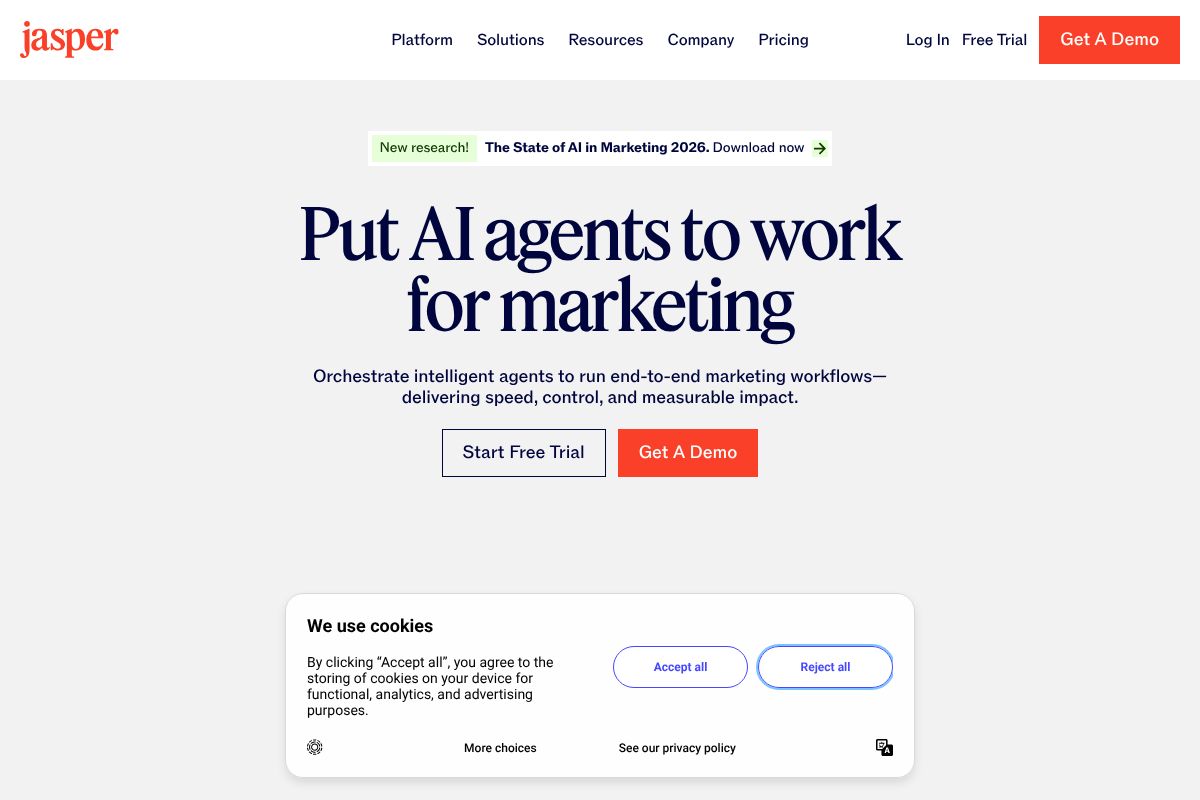
Jasper AI is built with professional content operations in mind. It excels at high-volume content generation while keeping your brand voice consistent across every piece — something that’s genuinely difficult to maintain when multiple team members are writing at scale. Its collaboration features let teams share templates, brand guidelines, and workflows in one place, which reduces back-and-forth and speeds up production significantly.
Core strengths include:
- Advanced brand voice training and style consistency
- Team collaboration tools and shared asset libraries
- Extensive template library for marketing-specific content
- Integrations with popular marketing platforms
Jasper AI starts at $49–$69/month for individual Creator and Pro plans, with Teams plans at $125/month. It’s a serious investment, but marketing teams producing content at volume tend to find it pays for itself quickly.
Writesonic: Best for SEO-Focused Bloggers
If search visibility is your primary goal, Writesonic is hard to beat. It comes with built-in SEO tools that help you optimize content as you write — think keyword integration, readability scoring, and structure recommendations — rather than bolting on an SEO plugin after the fact. For bloggers who live and die by organic traffic, this tighter integration can make a real difference in how your content performs.
Core strengths include:
- Built-in SEO optimization and keyword targeting
- Long-form article and blog post templates
- AI-powered content factual grounding features
- Fast output speeds for high-frequency publishing
Writesonic is priced between $39–$99/month depending on your plan, making it a mid-range option that delivers strong value for content-focused creators.
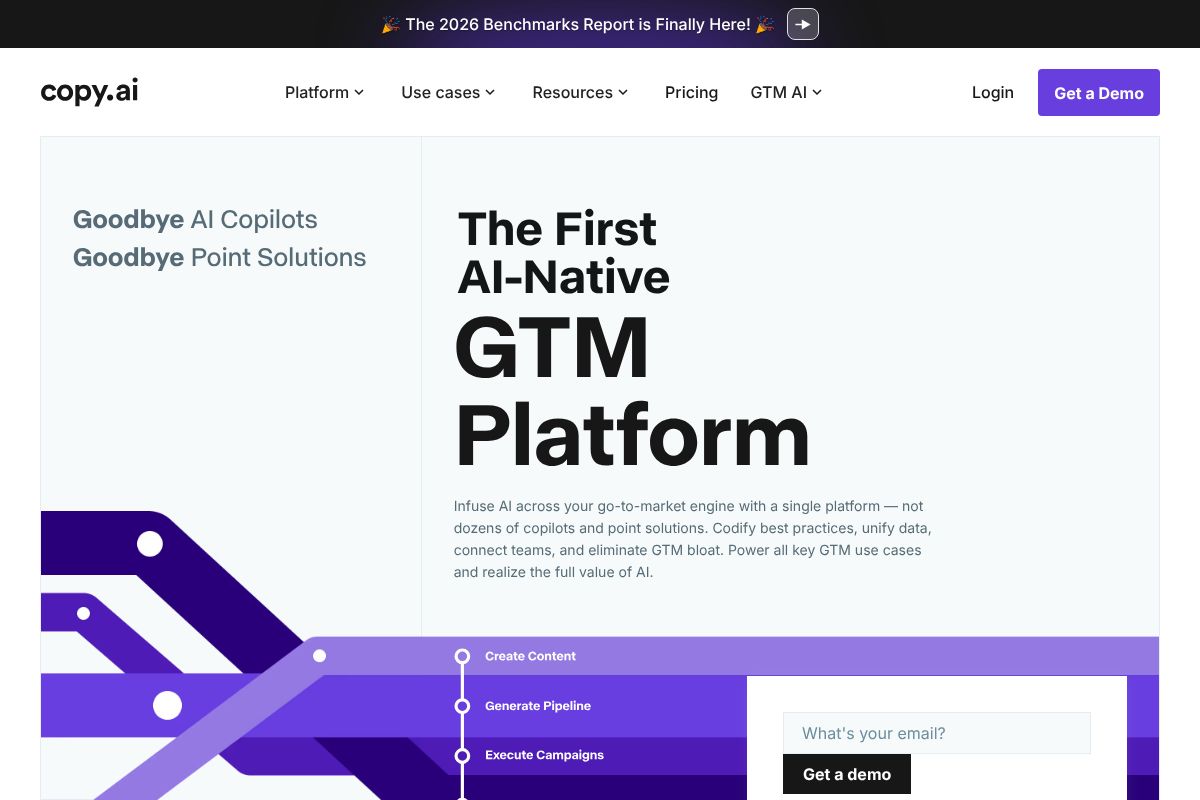
Copy.ai: Best for Solo Creators on a Budget
Copy.ai is the most accessible entry point on this list. Its free tier is genuinely usable — not just a teaser — which makes it a great starting point if you’re experimenting with AI writing for the first time. The interface is clean and beginner-friendly, and you don’t need any technical background to get solid results out of it.
Core strengths include:
- Generous free plan with no credit card required
- Simple, intuitive interface ideal for beginners
- Solid range of long-form and short-form templates
- Automated workflows for repetitive content tasks
Paid plans range from free up to $249/month, giving you room to scale as your needs grow. For solo creators who want to test AI writing without a financial commitment upfront, Copy.ai is a smart place to start.
Pricing and Value: What You’ll Actually Spend
Before committing to any AI writing tool, it helps to see the numbers side by side. Pricing structures vary significantly across these platforms — and what looks affordable at first glance can add up quickly depending on your usage. Here’s a clear breakdown of where each tool stands.
| Tool | Free Tier | Starter Plan Price | Best For |
|---|---|---|---|
| Jasper AI | 7-day free trial | ~$49/month | Marketing teams and power users |
| Writesonic | Limited free credits | ~$39/month | SEO-focused bloggers and content creators |
| Copy.ai | Generous free plan | Free–$249/month | Solo creators and budget-conscious beginners |
A few things worth noting: annual billing typically saves you 20–30% across all three platforms. If you’re confident you’ll use the tool consistently, paying annually is almost always the smarter financial move. Month-to-month gives you flexibility, but you’ll pay a premium for it.
Team pricing is another consideration. Jasper AI is built with collaboration in mind, so its higher-tier plans reflect that — you’re paying for multi-seat access and brand controls. If you’re a solo freelancer, those features aren’t worth the extra cost. Writesonic and Copy.ai scale more gracefully for individual users.
Free vs. Paid: Where to Start
If you’re new to AI writing tools, starting with a free tier is a low-risk way to test the waters. Copy.ai’s free plan is the most genuinely useful at no cost — you can produce real content without hitting a wall after five minutes. Writesonic’s free credits are enough to get a feel for the platform, but you’ll exhaust them quickly if you’re writing long-form content regularly.
Jasper AI doesn’t offer a traditional free plan, but its seven-day trial gives you enough time to evaluate whether the output quality justifies the price. That said, a week can feel rushed if you’re trying to assess it alongside other tools.
Upgrading to a paid plan typically unlocks:
- Higher or unlimited word generation
- Access to advanced templates and workflows
- Priority support and faster output speeds
- Brand voice customization and team features
The honest answer is that the “best” tool depends entirely on your situation. A high-volume content agency will get the most from Jasper AI. A blogger optimizing for search traffic will likely prefer Writesonic. And a solo creator just getting started will find Copy.ai the least intimidating — and the least expensive — place to begin.
Pros and Cons: Honest Trade-Offs
AI writing tools have come a long way, but they’re not a magic solution. Before you commit to one, it’s worth being clear-eyed about what they actually deliver — and where they still fall short.
The Real Limitations
The most common frustration with AI long-form writing is repetition. If you’re generating a 2,000-word article in one go, don’t be surprised if the same idea surfaces two or three times in slightly different wording. It requires a human pass to catch and clean up.
There’s also the problem of generic output. AI tools produce their best work when you give them detailed, specific prompts. Feed them something vague — “write a blog post about productivity” — and you’ll get something that reads like it could have come from anywhere. The quality ceiling is largely determined by the quality of your input.
Other limitations worth knowing about:
- A learning curve exists for getting prompts right — it takes practice
- Factual accuracy isn’t guaranteed; always verify statistics and claims
- Brand voice can feel inconsistent without careful setup and fine-tuning
- Heavy editing is still required for anything client-facing or highly technical
Where AI Writing Genuinely Wins
That said, the genuine benefits are hard to argue with. Speed is the obvious one — a first draft that might take you three hours can be roughed out in fifteen minutes. That alone changes what’s possible in a workday.
AI tools are also remarkably good at breaking through creative blocks. Even a mediocre first draft gives you something to react to, which is often all you need to get moving. And compared to hiring a freelance writer for regular content, the cost savings are substantial — especially for high-volume output.
- Dramatically faster first drafts and outlines
- Consistent output volume without burnout
- Lower cost than outsourcing content at scale
- Useful for ideation, not just execution
The bottom line: AI writing tools work best when you treat them as a capable first-draft collaborator, not a replacement for human judgment. The writers who get the most out of them are the ones who stay in the editor’s seat.
Who Should Use Each Tool: Match Your Needs
There’s no single “best” AI writing tool — there’s only the best one for you. Your workflow, budget, content volume, and goals all shape which platform will actually stick. Here’s a quick breakdown to help you self-identify.
Marketing Teams and Content Managers → Jasper AI
If you’re working within a brand team that produces high volumes of content across multiple channels, Jasper AI is built for your world. Its Brand Voice feature, campaign workflows, and collaboration tools make it easy to keep output consistent across writers. The higher price point is easier to justify when it’s spread across a team rather than a solo budget.
SEO-Focused Bloggers → Writesonic
If organic search traffic is your primary goal, Writesonic is hard to beat. Its built-in SEO optimization features and real-time web access mean you can research, write, and optimize without constantly switching tabs. It’s a strong fit for bloggers who publish regularly and need content that actually ranks.
Solo Creators and Freelancers on a Budget → Copy.ai
If you’re a freelancer or independent creator who needs reliable output without a steep monthly bill, Copy.ai offers a generous free tier and straightforward workflows that don’t require a steep learning curve. It won’t win on raw power, but it punches above its weight for the price.
Absolute Beginners → Consider Rytr First
If you’re brand new to AI writing tools and just want to experiment without committing to a paid plan, Rytr is worth a look as a low-cost entry point. It’s simple, affordable, and good enough to help you understand how these tools work before you invest in something more robust.
- Teams with brand standards: Jasper AI
- SEO and blogging focus: Writesonic
- Budget-conscious freelancers: Copy.ai
- First-time AI users: Rytr
The right tool is the one you’ll actually use consistently. Start with your biggest pain point — speed, SEO, cost, or simplicity — and let that guide your decision.
How to Get the Most Out of AI Long-Form Writing
AI writing tools are only as good as the direction you give them. Think of them as a highly capable collaborator — one that needs clear guidance to produce its best work. A few simple habits will dramatically improve the quality of what you get back.
Start with a Strong Brief
The more context you give, the better the output. Before you generate anything, specify your target audience, the goal of the piece, the tone you want, and any key points you need covered. Vague prompts produce generic content — specific prompts produce usable drafts.
Use Outlines Before You Write
Most tools let you generate or input an outline before producing full sections. Always use this step. It keeps the piece structured, reduces repetition, and gives you a chance to shape the narrative before the AI fills in the details.
Edit and Fact-Check Everything
AI can confidently get things wrong. Treat every output as a first draft that needs your review — not a finished product. Verify any statistics, claims, or quotes before publishing. Your reputation is on the line, not the tool’s.
Customize Tone and Voice Settings
Most platforms let you set a brand voice or adjust the tone. Take five minutes to configure this properly. Consistent voice across your content builds trust with your audience and saves you editing time later.
Build It Into Your Workflow
- Use templates for content types you produce repeatedly — blog posts, newsletters, case studies
- Integrate directly with tools like WordPress, Notion, or your CMS where possible
- Keep a prompt library of briefs that work well so you’re not starting from scratch each time
- Batch your writing sessions — AI tools reward focused, high-volume sessions over sporadic use
The creators getting the most value from these tools aren’t replacing their thinking — they’re offloading the heavy lifting so they can focus on strategy, editing, and the ideas only they can bring.
The Verdict: Which AI Is Best for You?
Here’s the honest truth: there’s no single best AI writing tool for long-form content. The right choice depends on your budget, how you work, what you’re writing, and whether you’re flying solo or part of a team. What works brilliantly for a content agency won’t necessarily be the right fit for a freelance blogger.
That said, here’s a quick guide to help you match the tool to your situation:
- Best for marketing teams and agencies: Jasper AI — its collaboration features, brand voice controls, and deep template library make it worth the higher price tag when multiple people are producing content at scale.
- Best for SEO-focused bloggers: Writesonic — the built-in SEO optimization and real-time data access make it a strong pick if organic search traffic is your primary goal.
- Best for budget-conscious solopreneurs: Copy.ai — a generous free tier and intuitive workflows make it easy to get real value without committing to a paid plan right away.
- Best for absolute beginners on a tight budget: Rytr — low cost, simple interface, and a solid free plan let you test the waters with minimal risk.
If you’re still unsure, start with the free tiers on Copy.ai or Rytr before spending a dollar. Get a feel for how AI fits into your writing process, then upgrade once you know what you actually need.
The best move you can make right now is simple: pick one tool, commit to using it for two weeks, and measure the results. Track how much content you produce, how long it takes, and whether the quality meets your standards. The data will tell you everything you need to know.
Frequently Asked Questions
Can AI write long-form articles better than humans?
AI excels at drafting, research compilation, and structure, but human editors are essential for nuance, fact-checking, and brand voice. The best results combine AI efficiency with human judgment and expertise.
Which AI tool is cheapest for long-form writing?
Several free and freemium options exist, including ChatGPT’s free tier and Claude’s limited free access. Paid tools typically start at fifty dollars monthly for serious long-form content production needs.
How long does it take AI to write a 5000-word article?
Most AI tools generate five thousand words in five to fifteen minutes, depending on complexity and research requirements. However, editing and refinement typically add one to three hours to the total process.
Is AI-written content good for SEO?
AI-generated content ranks well when optimized for keywords, structured properly, and fact-checked thoroughly. Search engines reward helpful, original content regardless of creation method, making AI viable for SEO when combined with human review.
Related Reads
- Best AI Tools for Long Form Content in 2026
Find the best AI tools for long form content creation. Compare features, pricing, and performance for creators and marke…
- Best AI Email Writer Tools for 2026 (Tested & Ranked)
Find the best AI email writer for your needs. Compare top tools, pricing, and features. Honest reviews from creators and…
- Best AI for Writing in 2026: Top Tools Compared
Find the best AI writing tool for your needs in 2026. Compare features, pricing, and performance across top platforms.…