If you’ve spent hours staring at a blank page, rewriting the same paragraph five times, or scrambling to meet a deadline with nothing but a lukewarm cup of coffee for company — you already know the struggle. The good news? Finding the best AI tool for writers in 2026 has never been more achievable, and the options available today are genuinely impressive. The challenge is that there are dozens of them, each promising to transform your workflow overnight.
Long-form content demands different AI muscle than short-form copy or SEO optimization, and most tools sacrifice strength in one area for another. We’ve mapped out which tools dominate which formats and what each one actually costs.
Key Takeaways
- AI writing tools in 2026 automate content creation, saving writers hours while maintaining quality and originality across multiple formats.
- Top-tier AI tools offer specialized features for different writer types, from novelists to marketers, with varying price points and capabilities.
- Choosing the right AI tool depends on your specific needs, budget, and whether you prioritize speed, creativity, or SEO optimization.
- Modern AI writing assistants excel at brainstorming, drafting, and editing, but human oversight remains essential for brand voice and accuracy.
- Comparison tables and feature breakdowns help writers quickly identify which tool matches their workflow, from freelancers to enterprise content teams.
In This Article
Introduction: Why You Need an AI Writing Tool in 2026
Content demands have never been higher. Whether you’re a freelancer juggling multiple clients, a marketer trying to keep up with a relentless publishing calendar, or a small business owner who needs to sound like a professional copywriter — the pressure to produce more content, faster, and at a higher quality is real. AI writing tools have moved well past the “gimmick” stage and are now a legitimate part of how serious writers and creators get work done.
The most obvious benefit is time. Tasks that used to eat up half your morning — drafting an email sequence, outlining a blog post, rewriting a product description — can now take minutes. But the advantages go deeper than raw speed.
Here are the core pain points that a good AI writing tool can genuinely help with:
- Writer’s block: A well-placed prompt can break the paralysis and get words on the page when your brain simply refuses to cooperate.
- Scaling content output: Need to publish three times a week instead of once? AI can help you get there without burning out or sacrificing quality.
- Maintaining your voice: The best tools today can be trained or guided to match your tone, so the output actually sounds like you.
- Beating deadlines: When a client needs a first draft by tomorrow, having an AI co-writer in your corner changes everything.
Of course, no tool is perfect for everyone. The right choice depends on your workflow, your budget, and what kind of writing you do most. That’s exactly what the comparison ahead is designed to help you figure out — without the fluff.
What Makes an AI Writing Tool Actually Useful?
Not all AI writing tools are created equal, and the gap between a genuinely useful one and a frustrating one is wider than you might expect. The difference usually comes down to a handful of practical factors: how well it maintains tone, whether it plays nicely with your existing workflow, how steep the learning curve is, and whether it can actually support SEO without you doing all the heavy lifting.
The best tools don’t just generate words — they generate the right words, in the right order, for the right audience. Here’s what to look for:
- Tone consistency: Output that sounds coherent across an entire piece, not just the first paragraph
- SEO support: Built-in keyword guidance, readability scoring, or integrations with tools like Surfer SEO
- Workflow integration: Connects with the platforms you already use — Google Docs, WordPress, Notion, and so on
- Low learning curve: Useful on day one, not after a week of tutorials
- Long-form coherence: Stays on track across 1,500+ words without losing the thread
Speed Without Sacrificing Quality
Modern AI writing tools have made a significant leap when it comes to drafting longer content quickly. Where earlier versions would lose coherence halfway through a blog post, today’s tools handle structure, transitions, and argument flow far more reliably. You can go from a rough brief to a solid first draft in under 15 minutes — and that draft will actually be usable, not just a pile of words you have to completely rewrite.
Brand Voice & Consistency
If your content sounds different every week, readers notice — even if they can’t quite put their finger on why. The better AI tools let you define your voice upfront, whether through style guides, sample content, or adjustable tone settings. Once that’s in place, the tool applies it consistently across every piece you create. For freelancers managing multiple clients, or brands publishing at scale, this isn’t a luxury — it’s what makes AI-assisted writing actually sustainable.
Top AI Writing Tools for Creators & Marketers
The AI writing space has matured considerably, and a handful of tools have pulled ahead of the pack — not just for raw output, but for how well they fit into real creative and marketing workflows. Whether you’re running a content agency, building a personal brand, or trying to rank higher on Google, there’s a tool designed with your specific needs in mind. Here’s a quick look at three of the strongest contenders right now.
Jasper AI AI: Best for Marketing Teams
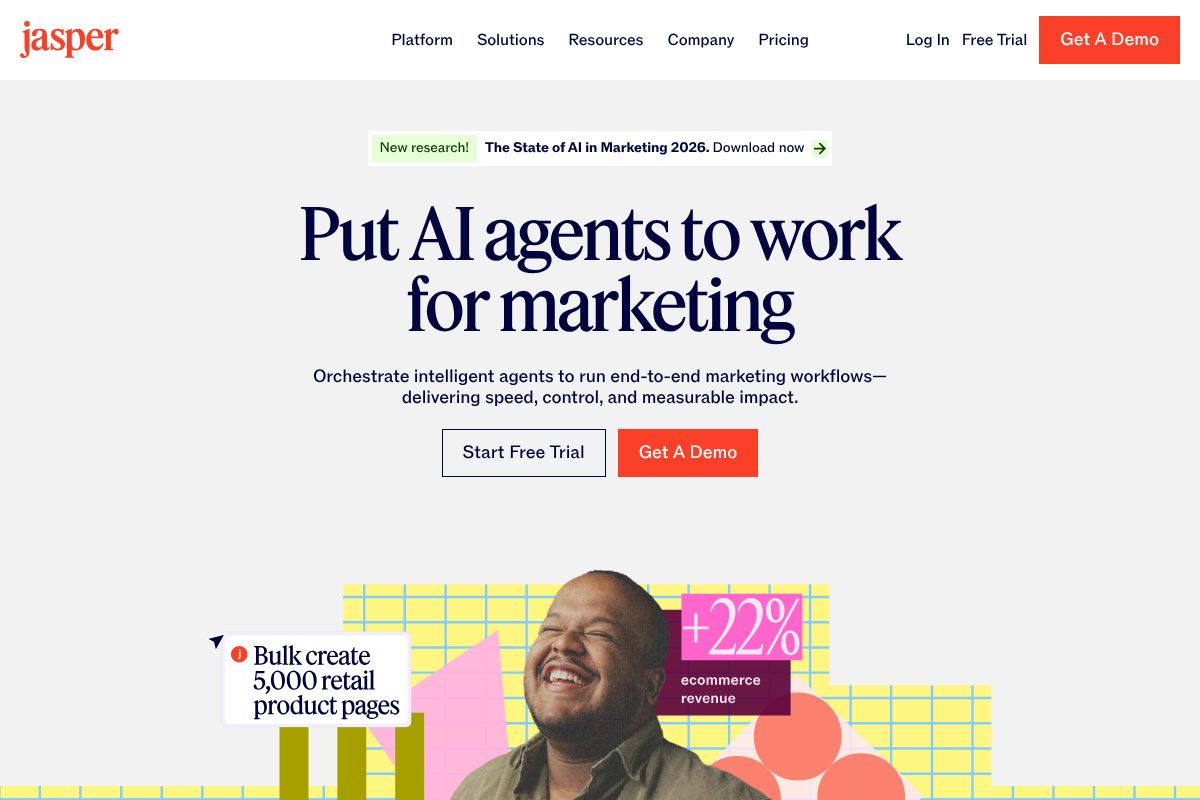
Jasper AI has firmly established itself as the premium choice for marketing teams and agencies that need to produce high volumes of on-brand content without the chaos. Its brand voice training feature lets you feed in your existing content so the AI learns your tone — then applies it consistently across every campaign, ad, and blog post your team creates. Collaboration tools make it easy for multiple writers to work inside the same workspace. Plans start at $49–$69/month for individual creators, with Teams plans at $125/month — a real investment, but one that pays off at scale.
Copy.ai: Best for Solo Creators & Startups
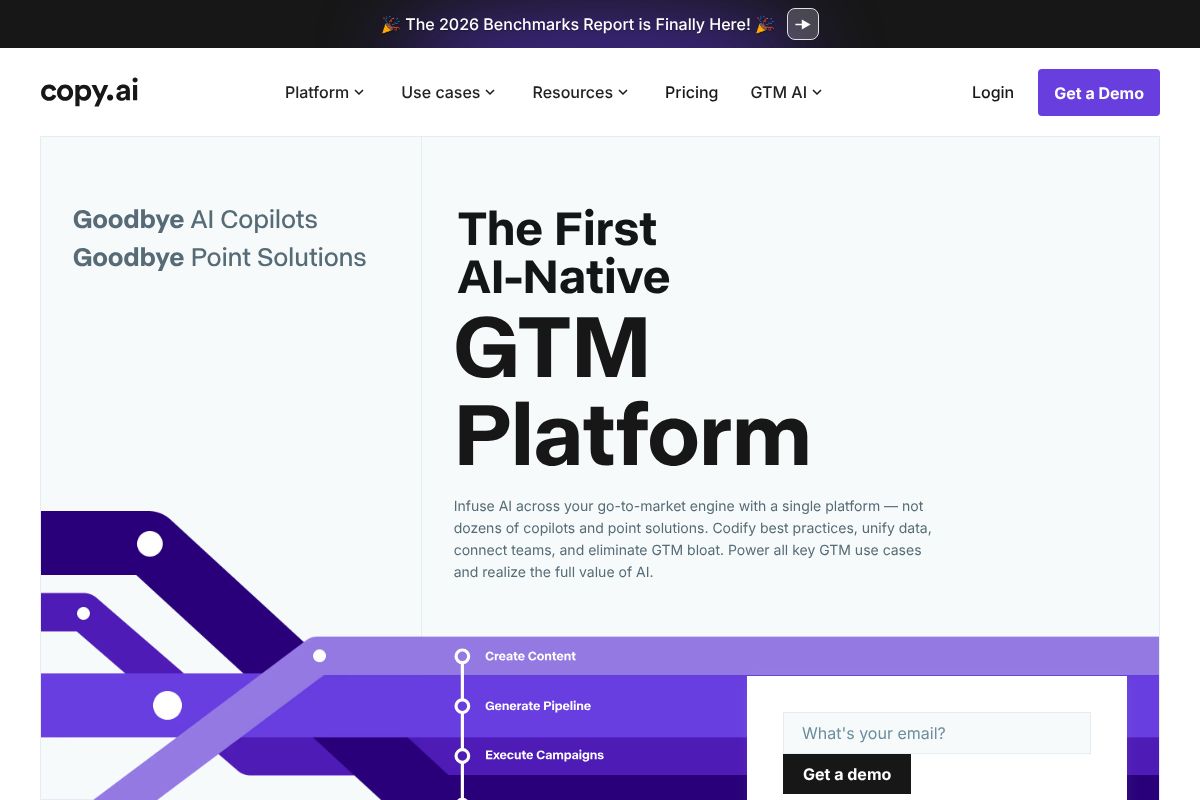
If you’re just getting started or working with a tight budget, Copy.ai is hard to beat. It offers a genuinely useful free tier, with paid plans ranging from a $29/month Chat plan up to $49/month for Pro and $249/month for Agents — giving you room to grow without overcommitting. It handles a wide range of formats, from social captions and email sequences to landing page copy and blog intros. For solo creators and early-stage startups, the versatility-to-cost ratio is excellent.
Writesonic: Best for Bloggers & SEO
Writesonic stands out for writers who care about search visibility, not just word count. It comes with built-in SEO optimization features that help you structure content around target keywords from the very first draft — no separate tool required. It’s also one of the more affordable full-featured options, with plans starting at $39/month on an annual plan or $49/month billed monthly, going up to $99/month for higher usage. For bloggers trying to grow organic traffic, this combination of SEO awareness and accessible pricing makes it a smart starting point.

Pros & Cons: What You Need to Know
No AI writing tool is perfect — and anyone telling you otherwise is selling something. Before you commit to a subscription, it’s worth being honest about where these tools genuinely help and where they can quietly let you down. Here’s a real-world breakdown of the trade-offs.
When AI Writing Tools Shine
AI writing tools are genuinely impressive when you need to move fast and produce volume. If you’re staring at a blank page, they’re excellent at breaking the ice — generating outlines, first drafts, and brainstorming angles you might not have considered on your own.
Here’s where they consistently deliver:
- First drafts and outlines — Get a working structure in minutes, not hours
- Repurposing content — Turn a blog post into social captions, email snippets, or a script
- Email sequences — Consistent tone and structure across multiple touchpoints
- Social media copy — Quick variations for A/B testing or different platforms
- Scaling output — Produce more without proportionally increasing your workload
For marketers, freelancers, and small business owners juggling multiple projects, that kind of speed and flexibility is genuinely valuable.
Where They Still Need Your Human Touch
Here’s the honest part: AI still struggles with anything that requires real depth, lived experience, or verified accuracy. It can sound confident while being completely wrong — which means fact-checking is non-negotiable, especially for anything technical, medical, legal, or financial.
AI also tends to flatten nuance. It can mimic emotional tone, but it rarely captures the kind of authentic voice that comes from genuine expertise or personal perspective. Original research, contrarian takes, and deeply specific industry knowledge still need a human in the driver’s seat. Think of these tools as a capable assistant, not a ghostwriter you can walk away from. The best results come when you shape the direction and refine the output.
Pricing Reality Check
Most AI writing tools offer free tiers — and they’re worth testing before you spend a dollar. That said, free plans typically come with usage caps, limited features, or watermarked output that isn’t practical for professional work.
For solo creators and freelancers, plans in the $29–$49/month range tend to offer the best value, especially when billed annually. Small businesses and marketing teams with higher output needs will likely find the $99–$125/month tiers more appropriate. The ROI question is simple: if a tool saves you five hours a month and your time is worth $50/hour, it’s already paying for itself. Where people overspend is subscribing to a premium plan before they’ve built a consistent workflow — start lean, then upgrade when you’ve actually hit the limits.
Quick Comparison Table
Not sure which tool deserves your attention first? Here’s a side-by-side snapshot of the three most popular AI writing platforms right now. This should help you zero in on the right fit before diving into the full breakdowns below.
| Jasper AI | Copy.ai | Writesonic | |
|---|---|---|---|
| Best For | Marketing teams & brand content | Sales copy & GTM workflows | Bloggers & SEO content |
| Starting Price | $49/month | $49/month | $20/month |
| Free Tier | 7-day trial only | Yes — limited workflows | Yes — limited credits |
| Key Strength | Brand voice consistency | Workflow automation | Affordable long-form output |
| Learning Curve | Moderate | Low to moderate | Low |
Keep in mind that pricing can shift — always verify the current plan details directly on each platform before committing. The sections below give you a much fuller picture of where each tool actually shines and where it falls short.
Who Should Use Which Tool?
The honest truth is that no single AI writing tool is the best fit for everyone. Your workflow, budget, and output goals matter a lot. Here’s a practical breakdown of which platform makes the most sense depending on how you work.
For Freelance Writers & Solo Creators
If you’re just getting started or keeping a close eye on expenses, Copy.ai or Rytr are smart places to begin. Copy.ai’s free tier lets you explore core features without committing a dollar, which is ideal when you’re still figuring out how AI fits into your process. Both tools are flexible enough to handle everything from client blog posts to social captions to email drafts. You can scale up later once you’ve identified exactly what you need — no reason to overpay on day one.
For Marketing Teams & Agencies
If you’re managing content across multiple clients or campaigns, Jasper AI is built for exactly that kind of high-volume, high-consistency work. Its brand voice feature means everyone on your team — whether it’s two people or twenty — is producing content that sounds like it came from the same place. Jasper also supports collaboration natively, so you’re not emailing drafts back and forth. For agencies where brand accuracy and output speed are non-negotiable, it’s worth the $49/month starting price.
For Bloggers Focused on SEO
If growing organic search traffic is your primary goal, Writesonic gives you the most direct path there. Its built-in SEO tools help you optimize content as you write, rather than treating it as an afterthought. At $20/month to start, it’s also the most accessible option for bloggers who need long-form output without a hefty subscription. If your workflow revolves around keyword targeting and search visibility, Writesonic earns its spot at the top of your shortlist.
How to Choose the Right Tool for You
There’s no single “best” AI writing tool — there’s only the best one for your specific situation. The right choice depends on how you work, what you’re creating, and what you’re willing to spend. Use the framework below to cut through the noise and make a decision you’ll actually feel good about six months from now.
Start With Your Budget
Free options exist across almost every tool on this list, and they’re genuinely useful — not just watered-down demos. That said, paid tiers unlock higher word limits, better integrations, and more advanced features. Before upgrading, be honest with yourself about what you’ll actually use. Paying $49/month for a platform when you only need basic drafting help is money better kept in your pocket.
- Tight budget: Start with free tiers from Copy.ai or Writesonic
- Mid-range: Writesonic’s $20/month plan covers most solo creator needs
- Team or agency: Budget for Jasper AI’s collaboration-focused pricing
Test Before Committing
Most of these tools offer free trials or permanent free tiers — use them. Spend at least a week with any tool before handing over your credit card details. Pay attention to how the output actually fits your voice, not just how impressive the demo looks. A tool that feels clunky in week one rarely gets better with time.
Consider Your Workflow
The best AI tool is one you’ll actually open every day. Ask yourself a few practical questions before deciding:
- Does it integrate with tools you already use — your CMS, Google Docs, or project management software?
- Can you customize tone and style to match your brand?
- Is the interface intuitive enough that you won’t need a tutorial every time you log in?
If a tool checks those boxes, it’s a strong contender — regardless of what any “best of” list says.
The Verdict: Your Next Step
There’s no single “best” AI writing tool — only the best one for you. But after breaking down features, pricing, and real-world usability, here’s where each tool lands:
- Jasper AI is the go-to for teams and agencies who need brand consistency, collaboration features, and high-volume output across multiple formats.
- Copy.ai is ideal for marketers and freelancers who want fast, workflow-driven content without a steep learning curve.
- Writesonic punches above its price point — especially for solo creators and small businesses who need SEO-friendly content on a budget.
The tool you’ll actually open tomorrow is worth more than the one with the most impressive feature list. Pick the option that fits your workflow, your budget, and the type of content you create most often.
The smartest move right now? Don’t overthink it. Choose one, sign up for a free trial, and spend a week putting it through its paces with real projects. You can always switch — but you can’t get back the time you spent researching instead of writing.
Start with Jasper AI, Copy.ai, or Writesonic — all three offer free access to get you started with zero commitment.
Frequently Asked Questions
Which AI writing tool is best for fiction writers?
Fiction-focused AI tools like those emphasizing narrative structure and character development work best. Look for tools offering creative writing modes, story outlining features, and dialogue generation capabilities tailored to long-form storytelling.
Can AI writing tools help with SEO content?
Yes, many AI writing tools include SEO optimization features like keyword integration, meta description generation, and readability analysis. They help writers create search-optimized content while maintaining natural language and reader engagement.
How much do the best AI writing tools cost?
Pricing ranges from free basic versions to $20-100+ monthly for premium plans. Most tools offer tiered pricing based on word count limits, features, and support levels, allowing writers to choose based on their budget and needs.
Is AI-generated content original enough for publishing?
AI-generated content requires human editing and fact-checking before publishing. While AI tools produce unique drafts, writers must verify accuracy, add personal voice, and ensure originality to meet publishing standards and maintain credibility.
Related Reads
- Best AI Writing Tool for Content Creators in 2024
Find the best AI writing tool for your needs. Compare top options like Jasper, Copy.ai, and Writesonic with honest revie…
- Best AI Tools for Long Form Content in 2026
Find the best AI tools for long form content creation. Compare features, pricing, and performance for creators and marke…
- Jasper vs Copy.ai: Which AI Writer Fits Your Needs?
Compare Jasper and Copy.ai for AI writing. See pricing, features, and which tool works best for your content needs in 20…