If you’ve typed a prompt into ChatGPT and wondered whether you’re actually using the best AI writer available — or just the most famous one — you’re not alone. The AI writing space has exploded, and in 2026, ChatGPT has serious competition. Picking the wrong tool can mean slower workflows, mediocre output, and money wasted on subscriptions that don’t fit how you actually work.
This honest comparison breaks down how ChatGPT stacks up against the leading alternatives across the things that matter most to creators, marketers, and small business owners: output quality, ease of use, pricing, and real-world use cases. No hype, no fluff — just a clear-eyed look at whether ChatGPT deserves the top spot, or whether another tool might serve you better.
In This Article
- What Is ChatGPT as a Writing Tool?
- Key Features That Matter for Content Creation
- ChatGPT vs. Dedicated AI Writing Tools
- The Real Pros and Cons of Using ChatGPT for Writing
- Pricing: Is ChatGPT Actually Cheaper?
- Who Should Use ChatGPT vs. a Dedicated AI Writer?
- The Honest Verdict: Is ChatGPT the Best AI Writer?
- Ready to Find Your AI Writing Fit?
What Is ChatGPT as a Writing Tool?
ChatGPT is a conversational AI developed by OpenAI that’s become the default starting point for millions of writers, marketers, and business owners. At its core, it’s a text-based assistant you talk to — you give it a prompt, it gives you a response. Simple in theory, surprisingly powerful in practice.
Where ChatGPT genuinely shines is in the early and middle stages of writing: brainstorming angles, drafting rough copy, rewriting awkward sentences, and adjusting tone. It’s flexible enough to handle everything from a formal business proposal to a punchy Instagram caption. That versatility is a big part of why it caught on so quickly.
That said, it has real limitations as a dedicated writing tool. It doesn’t have built-in SEO features, brand voice controls, or content workflow templates out of the box. The free tier is functional but capped, and to access the faster, more capable models you’ll need a ChatGPT Plus subscription at $20/month. There’s also an advanced plan at $200/month aimed at power users, though most creators won’t need it.
How Creators Actually Use ChatGPT
In practice, most creators use ChatGPT as a flexible starting point rather than a finished-product machine. A typical workflow might look like this:
- Blog content: Generate an outline, then expand each section with follow-up prompts
- Email copy: Draft a sequence and tweak tone with simple instructions
- Social media: Repurpose a long article into captions or short-form posts
- Editing: Paste in existing copy and ask for tightening, clarity, or a tone shift
It works best when you treat it like a collaborative draft partner — not a one-click solution. The more specific your prompts, the better your output. But if you need structured workflows or SEO guidance baked in, you’ll likely find yourself working around its limitations more than you’d like.
Key Features That Matter for Content Creation
When you’re evaluating any AI writing tool, the features that actually move the needle are the ones that fit into your existing workflow. ChatGPT has come a long way since its early days, but how does it stack up against tools built specifically for content creators? Here’s an honest breakdown.
Where ChatGPT Shines
ChatGPT’s biggest strength is its flexibility. It can pivot from writing a product description to summarizing a research paper to brainstorming podcast episode ideas — all within the same conversation. That conversational ability makes it feel less like a tool and more like a thinking partner.
The 2026 version brings some genuinely useful upgrades for creators:
- Memory: It remembers your preferences, tone, and past projects across sessions, so you’re not re-explaining yourself every time
- Custom instructions: You can set persistent rules about your audience, writing style, or brand voice once and apply them automatically
- File uploads: Drop in a PDF, spreadsheet, or existing draft and ask ChatGPT to work with it directly
- Real-time web search: Available on paid plans, this lets it pull in current information rather than relying on training data alone
The free tier is still surprisingly capable for casual use, and that low barrier to entry makes it one of the most accessible AI tools available right now.
Where It Falls Short
For high-volume content creators and marketers, ChatGPT’s gaps become hard to ignore fairly quickly. It’s a general-purpose tool, and that generality comes at a cost.
Here’s what you won’t find built in:
- No SEO optimization: There’s no keyword targeting, readability scoring, or SERP analysis — you’ll need a separate tool for that
- No plagiarism checking: Output isn’t screened for originality, which matters if you’re publishing at scale
- No content templates: Dedicated tools like Jasper AI AI offer structured templates for ads, landing pages, and email sequences — ChatGPT doesn’t
- No content calendar integration: There’s no native way to plan, schedule, or track your publishing workflow
- No built-in fact-checking: Even with web search enabled, it can still present inaccurate information confidently
If your content strategy depends on consistent SEO performance or team-based workflows, ChatGPT alone will likely feel like half a solution. It’s a powerful drafting engine — but you’ll be stitching together other tools to cover the gaps.
ChatGPT vs. Dedicated AI Writing Tools
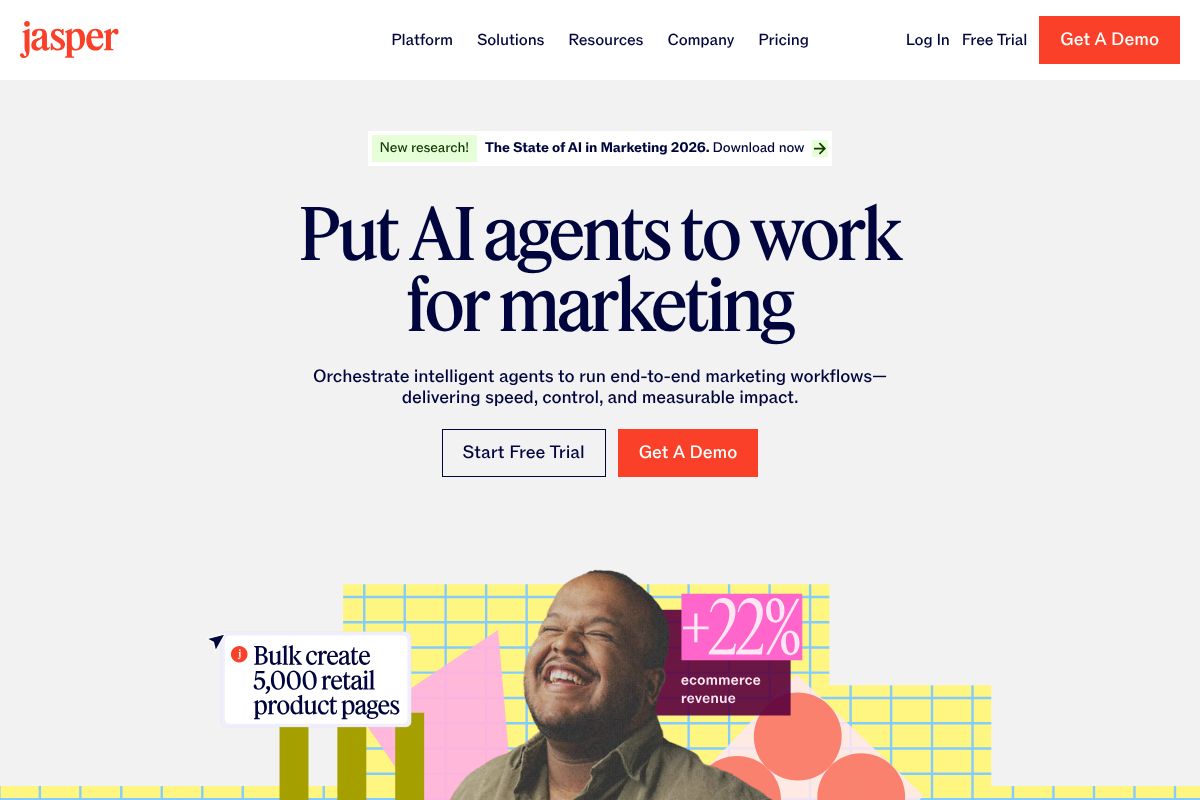
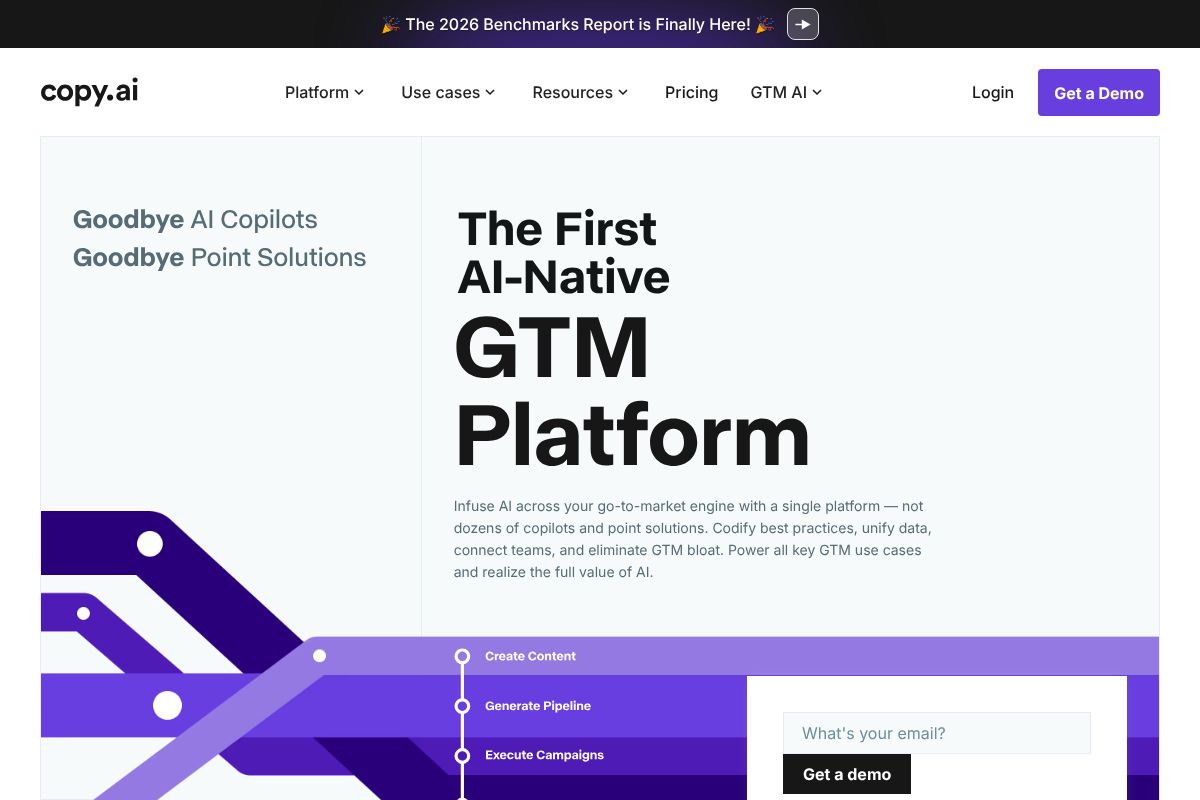
ChatGPT is a remarkable general-purpose AI, but it wasn’t built specifically for content creators. Dedicated writing tools like Jasper AI, Copy.ai, and Writesonic were designed from the ground up with your workflow in mind — and that difference shows up in the details.

Here’s how they stack up across the features that matter most to creators and marketers:
| Feature | ChatGPT | Jasper AI | Copy.ai | Writesonic |
|---|---|---|---|---|
| Starting Price | Free / $20/mo (Plus) | ~$49/mo | Free tier available | ~$16/mo |
| SEO Features | None built-in | Yes (Surfer SEO integration) | Limited | Yes (keyword targeting) |
| Brand Voice / Consistency | Manual prompting only | Yes (Brand Voice feature) | Yes (brand profiles) | Partial |
| Content Templates | No | 50+ templates | 90+ templates | 80+ templates |
| Bulk Content Generation | No | Yes | Yes | Yes |
| Learning Curve | Low | Medium | Low | Low–Medium |
If you’re managing a content calendar, running campaigns across multiple channels, or producing content at scale, dedicated tools offer structure that ChatGPT simply can’t replicate without a lot of manual effort. Copy.ai’s free tier is a particularly low-risk way to experience what a purpose-built writing tool feels like before committing to a paid plan.
Jasper AI goes further with brand voice controls and SEO integrations that make it a strong choice for marketing teams who need output to stay on-message and rank. These aren’t just nice-to-haves — for professionals producing content consistently, they’re genuine time-savers.
When ChatGPT Is Actually Enough
To be fair, ChatGPT isn’t the wrong choice for everyone. For a lot of users, it’s genuinely the best tool for the job — especially if you’re not producing content at high volume.
ChatGPT makes a lot of sense if you:
- Write 2–3 pieces per week or fewer — the free tier handles this comfortably without any subscription cost
- Work on one-off projects like a website rewrite, a pitch deck, or a single email campaign
- Use AI primarily for brainstorming — generating angles, outlines, or headline ideas rather than finished copy
- Edit and refine existing drafts rather than generating content from scratch
- Are just getting started with AI writing and want to learn the basics before investing in a paid tool
- Have a tight budget — the free version is hard to beat when you’re keeping costs low
The honest truth is that many solo creators and freelancers never outgrow ChatGPT. If your needs are modest and you’re comfortable crafting good prompts, it can take you surprisingly far. The limitations only start to sting when your content demands become more systematic or team-based.
The Real Pros and Cons of Using ChatGPT for Writing
ChatGPT has a lot going for it — but it’s not a perfect fit for every writing workflow. Before you commit to it as your primary tool, it’s worth understanding exactly where it shines and where it starts to slow you down.
What ChatGPT Gets Right
- It’s free (or very affordable): The free tier is genuinely capable, and ChatGPT Plus at $20/month is one of the more reasonable AI subscriptions available
- No learning curve: You can start getting useful output within minutes — no templates, no onboarding, no setup
- Conversational and flexible: It handles a huge range of tasks, from emails to scripts to social captions, without switching tools
- Great for ideation: Brainstorming angles, generating outlines, and breaking through writer’s block is where ChatGPT genuinely excels
- Responsive to feedback: You can refine output in real time through back-and-forth conversation
Where It Falls Short
- No built-in SEO optimization: ChatGPT doesn’t analyze keywords, suggest structure for search, or integrate with tools like Surfer SEO natively
- Inconsistent brand voice: Without a memory of your style guidelines, tone can drift noticeably between pieces — a real problem for teams
- Not built for bulk content: There’s no content calendar, no campaign workflow, and no way to manage multiple pieces at once
- Manual fact-checking required: ChatGPT can confidently produce inaccurate information, so every output needs a human review pass
If brand consistency across your content is a priority — especially for a team — tools like Jasper AI are worth considering. Jasper lets you store brand voice guidelines and apply them automatically, which removes a lot of the editorial back-and-forth that ChatGPT requires.
The Hidden Time Cost
Here’s the trade-off that doesn’t get talked about enough: ChatGPT is free, but it’s not fast. Getting polished, publish-ready output typically means multiple prompt iterations, manual editing for tone and accuracy, and a separate fact-checking pass before anything goes live.
For a single blog post, that process might add 30–60 minutes compared to using a tool purpose-built for content creation. Multiply that across 10 or 20 pieces a month and the “free” tool starts costing you something more valuable than money — your time.
Purpose-built AI writing tools often include structured templates, built-in workflows, and guided inputs that dramatically reduce the back-and-forth. ChatGPT’s open-ended interface is its greatest strength for flexibility, but it’s also why it demands more from you as the operator. The more content you produce, the more that gap compounds.
The bottom line: if your time has real value, “free” deserves a closer look at what it’s actually costing you.
Pricing: Is ChatGPT Actually Cheaper?
On the surface, ChatGPT looks like the obvious budget winner. The free tier gives you access to GPT-4o with some usage limits, and ChatGPT Plus costs just $20/month — a price that hasn’t budged much heading into 2026. Compare that to the competition and the gap looks significant.
Here’s how the main players stack up on price alone:
- ChatGPT: Free tier available; Plus at $20/month
- Jasper AI: $49–$69/month depending on plan
- Copy.ai: Free tier available; paid plans from $29–$249/month
- Writesonic: $39–$99/month based on usage and features
- Rytr: Free tier available; paid plans up to $29/month
If you’re just starting out or producing content occasionally, Copy.ai’s free tier or Rytr’s budget-friendly plans are genuinely hard to beat. Both give you structured templates and guided outputs without spending a cent — or close to it.
Cost Per Content Piece
The real question isn’t what you pay per month — it’s what you pay per finished piece of content. And that’s where the “cheap” label on ChatGPT gets complicated.
Let’s say ChatGPT costs you $20/month but requires an extra five hours of weekly prompting, editing, and fact-checking compared to a purpose-built tool. If your time is worth even $20/hour, that’s $400/month in hidden labor costs — making a $49/month tool like Jasper AI significantly cheaper in practice.
The math shifts depending on your output volume, but the pattern holds: the more content you produce, the more a streamlined workflow pays for itself. ChatGPT wins on sticker price. It doesn’t always win on total cost.
Who Should Use ChatGPT vs. a Dedicated AI Writer?
The honest answer is that there’s no single “best” AI writer — there’s only the best tool for your specific situation. ChatGPT is genuinely excellent for certain workflows, while dedicated tools pull ahead in others. Here’s how to think about it.
ChatGPT tends to be the right call if you:
- Write content occasionally rather than at high volume
- Want to learn and experiment with AI without committing to a platform
- Need a flexible brainstorming partner more than a content machine
- Are on a tight budget and can’t justify a monthly subscription
Dedicated AI writing tools make more sense when you have specific, recurring needs. If you’re publishing SEO-driven blog content consistently, Writesonic gives you built-in keyword optimization and SERP-aware features that ChatGPT simply doesn’t offer out of the box. If you’re running campaigns across a marketing team, Jasper AI brings brand voice controls and collaboration features that keep everyone aligned. And if you’re a small business owner who needs ready-to-go copy fast, Copy.ai‘s template library removes the guesswork entirely.
Best For Each Creator Type
Use this as a quick reference based on your role:
- Freelance writers: ChatGPT works well for drafting and ideation, but Writesonic adds SEO structure that clients increasingly expect.
- Content agencies: Jasper AI is the stronger fit — brand voice settings and team workflows justify the higher price point.
- Solo bloggers: ChatGPT is fine for low-frequency publishing; step up to Writesonic once SEO becomes a priority.
- Email marketers: Copy.ai‘s email-specific templates save significant time over building prompts from scratch in ChatGPT.
- Social media managers: ChatGPT handles variety well, but Copy.ai and Jasper AI both offer dedicated social caption tools that speed up batch creation.
The bottom line: ChatGPT is a powerful generalist. If your content needs are specialized, structured, or high-volume, a purpose-built tool will likely serve you better — and save you more time than the price difference costs.
The Honest Verdict: Is ChatGPT the Best AI Writer?
The short answer: no — but that’s not a knock against it. ChatGPT is arguably the best free starting point available right now. It’s flexible, capable, and genuinely useful across a wide range of writing tasks. The problem is that “best” depends entirely on what you’re trying to accomplish.
If you’re writing four or more pieces of content per month, relying on ChatGPT alone starts to cost you in a different way — time. You’ll spend it crafting prompts, reformatting outputs, and manually layering in SEO considerations that dedicated tools handle automatically. That’s the core trade-off:
- ChatGPT: Maximum flexibility, lower cost, steeper learning curve to get consistent results
- Dedicated tools: Faster output, built-in structure, less prompt engineering required — but you pay for it
For most creators doing regular content work, a purpose-built AI writing tool will save more time than its monthly subscription costs. That’s not a sales pitch — it’s just math.
What We’d Actually Recommend
Start free. ChatGPT’s free tier is a legitimate way to explore AI writing without any commitment, and Copy.ai also offers a free plan worth testing for short-form copy and templates.
Once you’re publishing consistently — say, four or more pieces per month — it’s worth trialing a paid tool for a single billing cycle and comparing the time savings directly:
- SEO bloggers: Try Writesonic — the built-in optimization features make a noticeable difference in search-ready content
- Teams and agencies: Jasper AI is worth the investment for brand consistency and collaborative workflows
- Generalists and small business owners: Copy.ai offers the most flexibility without a steep learning curve
There’s no single “best” AI writer. But there’s almost certainly a best one for you — and finding it is easier than you’d think once you know what to look for.
Ready to Find Your AI Writing Fit?
Here’s the honest recap: ChatGPT is a genuinely impressive tool, and if you’re just getting started with AI or only need writing help occasionally, it’s a perfectly reasonable place to begin. But if you’re publishing content regularly, the gap between a general-purpose chatbot and a purpose-built writing tool becomes very real, very fast.
The good news? You don’t have to guess which tool fits your workflow — you can try most of them before spending a cent.
Here are your best next steps based on where you are right now:
- Curious but not committed? Start with Copy.ai‘s free tier — no credit card required, and it gives you a genuine feel for what structured AI writing looks like in practice.
- Focused on SEO and organic traffic? Give Writesonic a test run. The search-optimized features alone can change how you approach blog content.
- Running a team or agency? Jasper AI is built for that environment — brand voice controls, collaboration features, and consistent output at scale.
Whatever you choose, the goal is the same: spend less time staring at a blank page and more time doing the work that actually grows your business. The right AI writing tool should feel like a capable assistant, not another thing to manage.
Your content deserves a tool that’s working as hard as you are.