You’ve got a blank page, a deadline creeping up, and a brain that’s completely tapped out. Sound familiar? Whether you’re a freelancer juggling five clients, a marketer trying to scale content output, or a creator who just needs to write faster — the pressure to produce quality writing consistently is real. That’s exactly where AI writing tools promise to help, and Writesonic has become one of the more talked-about names in that space.

But does it actually deliver for everyday creators, or is it just another overhyped tool that sounds better in the demo than in practice? In this Writesonic Review 2026, we’ll break down its features, pricing, real-world performance, and who it’s genuinely best suited for — so you can decide if it belongs in your workflow.
Key Takeaways
- Writesonic delivers AI-powered content creation for creators seeking fast, scalable writing solutions across multiple formats.
- Pricing flexibility ranges from free tier to premium plans, accommodating both individual creators and growing businesses.
- Advanced features include SEO optimization, brand voice customization, and multi-language support for global content strategies.
- Writesonic competes effectively against ChatGPT and Copy.ai with superior creator-focused tools and intuitive interface design.
- Best suited for bloggers, marketers, and content teams prioritizing speed without sacrificing quality or brand consistency.
In This Article
What Is Writesonic?
Writesonic is an AI-powered writing assistant designed to help content creators, marketers, and small business owners produce high-quality written content faster than they ever could on their own. Founded by Samanyou Garg, the platform launched with a clear mission: make professional-grade writing accessible to anyone, regardless of their background or experience level.
At its core, Writesonic functions as an all-in-one content generation hub. You can use it to write blog posts, landing pages, social media captions, product descriptions, ad copy, and more — all from a single dashboard. Rather than replacing your voice entirely, it’s built to give you a strong starting point so you’re editing and refining instead of staring at a blank screen.
What sets Writesonic apart from many competitors is its emphasis on SEO-optimized content. The platform integrates search intent and keyword awareness directly into its writing workflows, which matters a lot if your goal is to actually get found on Google. For creators and business owners who care about search visibility — not just output volume — that’s a meaningful distinction.
The tool has evolved significantly and now includes features like:
- Chatsonic — a conversational AI assistant with real-time web access
- AI Article Writer — long-form content generation with SEO structuring built in
- Brand Voice — the ability to train the AI on your specific tone and style
- Botsonic — a no-code chatbot builder for customer-facing use cases
In short, Writesonic has grown well beyond a simple text generator. It’s positioning itself as a broader content and productivity platform — which is exciting, but also worth examining closely to see if it lives up to that ambition.
Key Features That Matter
Writesonic packs a lot into one platform, but not every feature will matter equally to you. Here’s a practical breakdown of what’s actually useful for creators, marketers, and small business owners — and how each feature translates into real-world time savings.
- AI content generation — drafts blog posts, ad copy, emails, and social captions in seconds
- SEO optimization tools — keyword-aware writing workflows designed to improve search visibility
- Template library — pre-built formats for dozens of common content types
- Plagiarism checker — built-in verification so you can publish with confidence
- Brand Voice customization — trains the AI to write in your specific tone
- Real-time research integration — via Chatsonic, which pulls live web data into your content
SEO-Optimized Content Generation
If you’re creating content with the goal of ranking on Google, this is where Writesonic earns its keep. Rather than just generating text, the platform factors in search intent, keyword placement, and content structure from the start. The AI Article Writer, for example, helps you build out posts with proper heading hierarchies and topical depth — the kind of structure that search engines reward.
You can input your target keyword and let Writesonic shape the content around it, rather than retrofitting SEO after the fact. For marketers and bloggers focused on organic traffic, that workflow shift alone can save significant time. It’s not a replacement for a dedicated SEO tool, but it meaningfully reduces the back-and-forth between writing and optimizing.
Template Library & Quick Start
If you’re not sure where to begin, Writesonic’s template library removes the guesswork. There are ready-made formats for blog intros, product descriptions, Facebook ads, email subject lines, landing pages, and more. You simply pick a template, fill in a few details about your topic or product, and the AI generates a working draft. For non-technical users especially, this is one of the fastest on-ramps to actually producing content rather than fiddling with settings.
Brand Voice & Customization
Consistency matters — especially if you’re managing content across multiple channels or working with a team. Writesonic’s Brand Voice feature lets you upload examples of your existing content so the AI can learn your preferred tone, style, and vocabulary. Once it’s set up, every piece of content it generates will feel more like you and less like a generic AI output. It’s a small setup investment that pays off quickly if you’re producing content at volume.
Writesonic Pricing Breakdown
Writesonic keeps its pricing relatively straightforward, with a clear split between annual and monthly billing. If you’re committed to using it regularly, the annual plan offers meaningful savings over paying month to month.
- Standard Plan: $39/month (billed annually) or $49/month (billed monthly)
- Includes access to the full article writer, SEO tools, Brand Voice, and the template library
- Higher-tier plans are available for teams and agencies, with expanded seat counts, priority support, and higher usage limits
It’s worth noting that even on the Standard plan, there are generation limits tied to word count or credits depending on the output type. If you’re producing high volumes of long-form content every month, you may hit those limits faster than expected. Overage costs can add up, so it’s worth tracking your usage early on rather than getting a surprise at billing time.
Compared to some competitors, Writesonic’s entry price sits in a mid-range position — not the cheapest option on the market, but not the most expensive either.
Free vs Paid Plans
As of 2026, Writesonic does not offer a meaningful free tier for ongoing use. There may be a limited trial, but it won’t get you far if you’re testing it for real work.
If a free starting point matters to you, two solid alternatives are worth considering:
- Rytr offers a genuinely usable free plan with a monthly character limit — good for short-form content like emails or social posts
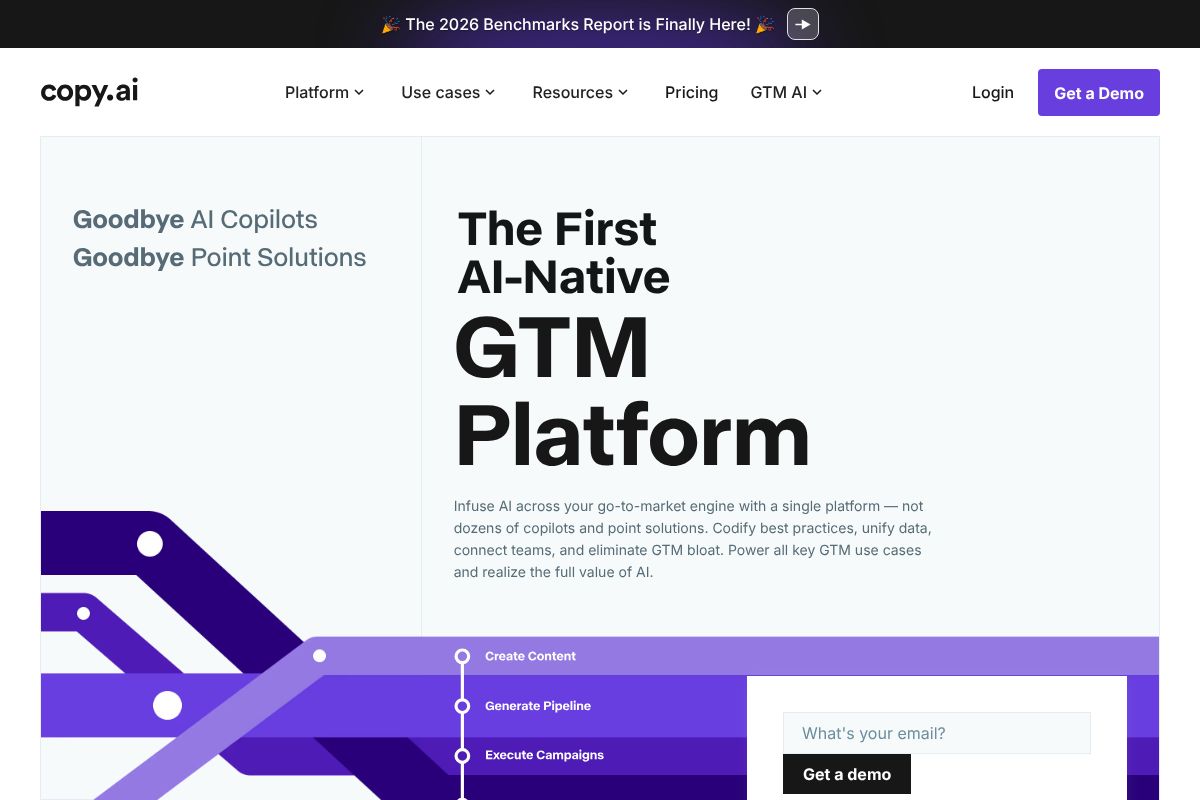
- Copy.ai also has a free option that gives you access to core templates without a credit card
Neither free tier matches Writesonic’s long-form capabilities, but they’re reasonable ways to get a feel for AI writing tools before committing to a paid subscription.
Pros and Cons: The Honest Take
No tool is perfect for everyone, and Writesonic is no exception. It does several things genuinely well — especially for solo creators and bloggers — but it also has real limitations that are worth understanding before you commit. Here’s a balanced look at both sides.
What Writesonic Does Well
For content creators who primarily need to produce blog posts, articles, and SEO-driven content, Writesonic punches above its weight. The built-in SEO optimization features are a genuine differentiator — you’re not just generating text, you’re generating content with search visibility in mind from the start.
- Strong SEO integration: Tools like the AI Article Writer are designed with search intent and structure baked in, which saves you a separate optimization step
- Blogger-friendly workflow: The long-form editor is intuitive enough that non-technical users can get productive quickly without a steep learning curve
- Affordable entry point: For freelancers and solo creators, the pricing is reasonable relative to the output quality you get
- Solid template library: Covers most common content types — blog intros, product descriptions, ad copy, emails — without overwhelming you with options
- Good for individual creators: If you’re a one-person operation producing consistent content, Writesonic fits that workflow well
Where It Falls Short
Writesonic is a capable tool, but there are scenarios where it may leave you wanting more. If your needs are more advanced or your team is larger, these limitations are worth weighing carefully.
- Not built for high-volume agency work: Teams producing dozens of pieces per week may find the usage limits and collaboration features insufficient compared to enterprise-focused alternatives
- Fewer advanced brand controls: Compared to Jasper AI AI, Writesonic offers less granular control over tone, voice consistency, and brand style guidelines across a team
- Smaller overall feature set: Some competitors offer deeper integrations, more output formats, and more refined customization options
- Optimization requires effort: While SEO tools are built in, getting the best results still takes some hands-on editing — outputs aren’t always publish-ready on the first pass
The bottom line: Writesonic is a strong fit for individual creators and small teams who prioritize SEO content and value simplicity. It’s less compelling if you need enterprise-grade brand management or are running a high-output content agency.

Writesonic vs Competitors
Choosing the right AI writing tool often comes down to your specific workflow, budget, and goals. Writesonic holds its own in a crowded market, but it’s not the right fit for everyone. Here’s how it stacks up against three of its closest rivals so you can make a confident decision.
| Tool | Best For | Starting Price | SEO Features |
|---|---|---|---|
| Writesonic | Solo bloggers, SEO content creators | ~$16/mo | Strong (built-in) |
| Jasper AI | Marketing teams, agencies | $49–$69/mo | Moderate (via integrations) |
| Copy.ai | Small businesses, budget users | Free tier available | Limited |
| Rytr | Beginners, casual writers | $29/mo | Basic |
Writesonic vs Jasper AI
If you’re a solo blogger or freelance content creator, Writesonic is likely the smarter financial choice. Jasper AI starts at $49 to $69 per month and is clearly designed with marketing teams and agencies in mind — it offers more robust brand voice controls, team collaboration features, and workflow management tools that larger organizations genuinely need.
Writesonic, by contrast, keeps things leaner and more affordable while packing in solid SEO optimization features that individual content creators will actually use. If you don’t need multi-seat access or enterprise-level brand consistency tools, you’d essentially be paying a premium for features you’ll rarely touch with Jasper AI. For the solo creator focused on ranking content, Writesonic wins on value.
Writesonic vs Copy.ai
Copy.ai has a genuine advantage if you’re just getting started and working with a tight budget — its free tier lets you test the waters without committing a dollar. It’s a solid choice for small business owners who need occasional marketing copy like email subject lines, social captions, or product descriptions.
However, if SEO-driven blog content is central to your strategy, Writesonic pulls ahead. Its built-in keyword optimization, article rewriter, and long-form content tools are meaningfully more developed than what Copy.ai currently offers. You’re not just paying for more words — you’re paying for a more structured content workflow designed around search performance.
Writesonic vs Rytr
Writesonic positions itself as a creator-first AI writing platform—but we wanted to see if the features and pricing actually back that up. We’ve tested it against the competition and broken down what it does well, what it doesn’t, and whether it’s worth your subscription.
That said, Writesonic offers noticeably more SEO firepower for a modest step up in price. If you’re serious about organic traffic and want tools that help you optimize as you write — not just generate text — Writesonic is the better long-term investment. Rytr is a great starting point; Writesonic is where you go when you’re ready to scale.
Who Should Use Writesonic?
Writesonic isn’t the right tool for everyone, but for certain types of creators and business owners, it’s genuinely hard to beat. The platform is built around a specific use case: producing consistent, search-optimized content without needing a full editorial team behind you.
Here’s a breakdown of who gets the most value from it:
- Bloggers focused on organic search: If you publish two to three posts per week and care about ranking on Google, Writesonic’s built-in SEO tools and long-form article generator give you a real workflow advantage — not just a blank page with AI suggestions.
- Freelance writers managing multiple clients: Juggling different brand voices and content briefs is exhausting. Writesonic’s templates and rewriting tools help you turn drafts around faster without sacrificing quality.
- Small business owners wearing every hat: If you’re running your own marketing, Writesonic lets you produce blog content, landing page copy, and social posts from one dashboard — no agency required.
- Solopreneurs building a content brand: When you’re the product, consistency matters. Writesonic helps you stay visible online even when your schedule gets tight.
- Content marketers scaling output: If your team is small but your content calendar isn’t, Writesonic helps bridge the gap between what you can realistically produce and what your strategy actually demands.
Where Writesonic is less ideal: pure creative writing, fiction, or highly technical documentation. It’s engineered for performance-driven content, so if SEO isn’t part of your goals, you might find tools like Copy.ai or Rytr a better fit for lighter, lower-stakes use cases.
The Verdict: Is Writesonic Worth It?
Writesonic earns its place as one of the more well-rounded AI writing tools available right now — especially if you’re a blogger, freelance writer, or solo content marketer who takes SEO seriously. It’s not flashy, but it’s genuinely useful, and that matters more in the long run.
The pricing is fair for what you get. The SEO and long-form writing features are strong. And the learning curve is gentle enough that you won’t spend your first week watching tutorial videos instead of actually writing.
That said, it’s worth being honest about where it falls short:
- Large teams or agencies will likely outgrow it and find better collaboration features with Jasper AI.
- Total beginners on a tight budget might be better served starting with Copy.ai or Rytr before committing to a paid plan.
- Creative or fiction writers won’t find much here that’s tailored to their needs.
But for the blogger grinding out weekly posts, the freelancer juggling client content, or the small business owner trying to stay visible online — Writesonic hits a genuinely useful sweet spot. It won’t replace your voice, but it will help you use it more efficiently.
Bottom line: If SEO-driven content is central to your work and you want a capable, affordable tool that doesn’t require a tech background, Writesonic is worth a serious look.
Ready to Try Writesonic?
The easiest way to find out if Writesonic works for you is to start with the free trial — no credit card required, and you’ll get a real feel for the editor and output quality before spending anything. If you decide to upgrade, the entry-level plan is affordable enough that it won’t sting if you change your mind after a month.
Here’s how to think about your next step:
- If you’re a blogger, freelancer, or solo marketer — start Writesonic’s free trial and test it on a real piece of content you’re already working on.
- If you’re part of a marketing team — take a look at Jasper AI, which offers stronger collaboration and brand voice tools built for teams.
- If you’re not ready to pay anything yet — Copy.ai has a generous free tier worth exploring first.
There’s no perfect tool for everyone, but Writesonic makes it easy to start small and scale up when you’re ready. Give the free trial a go — worst case, you’ve lost nothing.
Frequently Asked Questions
Is Writesonic free to use?
Yes, Writesonic offers a free tier with limited monthly credits. Paid plans start at affordable rates for creators needing higher output volumes and advanced features like SEO optimization and brand voice customization.
How does Writesonic compare to ChatGPT?
Writesonic specializes in marketing and content creation with built-in SEO tools, templates, and brand voice features. ChatGPT offers broader conversational AI. Writesonic is better for creators; ChatGPT excels at general-purpose tasks.
Can Writesonic write SEO-optimized content?
Yes, Writesonic includes native SEO optimization features that help generate keyword-rich, search-engine-friendly content. It analyzes top-ranking pages and suggests improvements for better SERP performance and organic visibility.
What languages does Writesonic support?
Writesonic supports 25+ languages, enabling global creators to produce localized content efficiently. This multi-language capability makes it ideal for international marketing campaigns and diverse audience engagement strategies.
Related Reads
- Best AI Writing Tools for Small Business in 2026
Find the best AI writing tools for small business owners in 2026. Compare features, pricing, and real-world benefits for…
- Jasper vs Copy.ai: Which AI Writer Fits Your Needs?
Compare Jasper and Copy.ai for AI writing. See pricing, features, and which tool works best for your content needs in 20…
- Jasper vs Writesonic: Which AI Writer Wins in 2026?
Compare Jasper vs Writesonic in 2026. See pricing, features, and which AI writing tool fits your content needs best.…