You’ve got a blank document, a deadline creeping closer, and a content brief asking for 2,000 words—and you’re wondering if AI can actually handle long-form work without making it sound generic. The answer is yes, but only if you’re using the right tool. These platforms have evolved far beyond basic text generation into research, structuring, and editing systems that genuinely accelerate the process. Here are the top options, who they’re built for, and the honest trade-offs you need to know.
Key Takeaways
- AI long form content tools automate blog posts, whitepapers, and articles while maintaining brand voice and SEO optimization standards.
- Top performers like Jasper and Writesonic offer template libraries, fact-checking, and multi-language support for enterprise-scale content production.
- Pricing ranges from $39 to $500+ monthly depending on word limits, features, and whether you need dedicated account management.
- Long form AI tools work best for content creators, marketing teams, and agencies but require human editing for accuracy and originality.
- Key differentiators include plagiarism detection, SEO integration, collaboration features, and whether tools support your specific content format requirements.
In This Article
- What Is an AI Tool for Long Form Content?
- Key Features to Look for in Long Form AI Writing Tools
- Top AI Tools for Long Form Content: Features and Performance
- Pricing Breakdown: What You’ll Actually Pay
- Pros and Cons: What Works, What Doesn’t
- Who Should Use These Tools (And Who Shouldn’t)
- Jasper AI-vs-Writesonic-vs-copyai”>Quick Comparison: Jasper vs. Writesonic vs. Copy.ai
- Final Verdict: How to Choose Your AI Long Form Tool
What Is an AI Tool for Long Form Content?
Long form content generally refers to any written piece that exceeds 1,500 words — think in-depth blog posts, comprehensive guides, white papers, case studies, or detailed email sequences. These aren’t quick social captions or product descriptions. They require structure, research, consistent tone, and a clear narrative arc from start to finish.

AI tools for long form content are platforms specifically designed to help you plan, draft, and refine these longer pieces at scale. Unlike basic AI writing assistants that generate a paragraph or two, these tools work across the full content lifecycle. They can help you build outlines, expand sections, maintain consistent voice throughout thousands of words, and even suggest edits once a draft is complete.
The practical benefit is significant. A piece of content that might take you four to six hours to research and write from scratch can often be drafted in under an hour with the right AI tool supporting your process. That’s not about cutting corners — it’s about removing the friction that slows most creators and marketers down. You still bring the strategy, the expertise, and the final editorial judgment. The AI handles the heavy lifting in between.
Consistency is another underrated advantage. When you’re producing long form content regularly — whether that’s weekly blog posts or monthly lead magnets — maintaining a consistent tone and quality level is genuinely difficult. AI tools help you establish repeatable workflows so your tenth article reads just as well as your first.
Why Long Form Content Matters for Your Business
From an SEO standpoint, longer content tends to rank better in search because it covers topics more thoroughly, attracts more backlinks, and keeps readers on your page longer — all signals that search engines reward. If organic traffic is part of your growth strategy, long form content isn’t optional; it’s foundational.
Beyond search rankings, detailed content builds audience trust in a way that short posts simply can’t. When you publish a comprehensive guide or an in-depth tutorial, you’re demonstrating genuine expertise. That credibility translates directly into lead generation — readers who consume long form content are more likely to opt into your list, book a call, or make a purchase because they already trust you before they hit the call to action.
For small business owners and freelancers especially, a single well-crafted long form piece can continue driving traffic and leads for months or even years after publication — making it one of the highest-ROI content investments you can make.
Key Features to Look for in Long Form AI Writing Tools
Not all AI writing tools are built equally — especially when it comes to long form content. A tool that excels at short social captions may completely fall apart when asked to produce a 3,000-word pillar post. Before you commit to any platform, here are the core capabilities worth evaluating.
- Template variety: Look for tools that offer dedicated long form templates — blog posts, white papers, case studies, and lead magnets — not just short-copy formats.
- SEO optimization: Built-in keyword targeting, readability scoring, and on-page SEO guidance save you a separate tool subscription.
- Editing and refinement tools: Paragraph-level rewriting, tone adjustments, and content expansion features make the difference between a rough draft and a publishable piece.
- Output quality and speed: High-quality output matters more than raw speed, but the best 2026 tools deliver both — generating coherent, well-structured drafts in minutes rather than hours.
- Multi-language support: If you’re publishing for international audiences, native multi-language generation is now a standard expectation, not a premium add-on.
Research and Fact-Checking Capabilities
One of the most significant upgrades in 2026 AI writing tools is real-time fact-checking and source integration. Rather than generating plausible-sounding information that you then have to verify manually, leading tools now pull from live web sources and flag claims that need review before you publish.
This matters enormously for credibility. If you’re writing about industry statistics, product comparisons, or data-driven arguments, a tool that can cite its sources — or at least surface them for your review — dramatically reduces the risk of publishing inaccurate content. For content creators and marketers, that kind of built-in verification layer is no longer a nice-to-have; it’s a professional necessity.
Brand Voice and Customization
Consistency of tone is what separates content that feels like you from content that feels generic. The best long form AI tools let you define your brand voice upfront — whether that’s authoritative and data-driven, warm and conversational, or punchy and opinionated — and then maintain that voice across every piece you produce.
In practice, this means uploading sample content, setting style preferences, and in some cases training the tool on your existing writing. The result is output that doesn’t need heavy rewriting to sound like it came from your brand. For freelancers managing multiple clients, this customization feature is especially valuable — you can switch between distinct voice profiles without starting from scratch each time.
Top AI Tools for Long Form Content: Features and Performance
Not all AI writing tools are built the same way, and when it comes to long form content specifically, the differences become obvious fast. Some tools excel at maintaining narrative flow across thousands of words; others prioritize search visibility or team-level consistency. The two tools below represent the strongest options in their respective categories right now.
Jasper AI: Best for Marketing Teams and Agencies
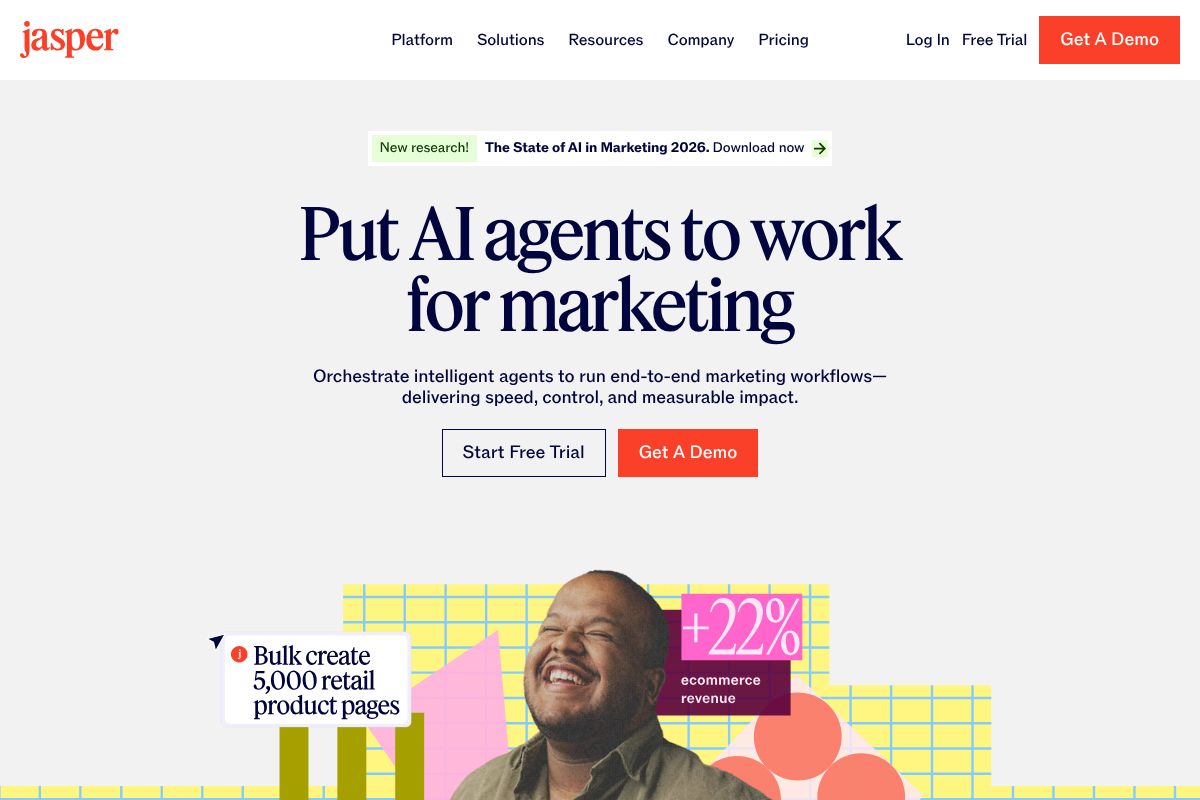
If you’re producing long form content at scale — think weekly blog posts, pillar pages, email sequences, and campaign copy all running simultaneously — Jasper AI is built for that kind of volume. Its brand voice training feature lets you feed in existing content and style guidelines, so every piece your team produces sounds consistent, even when multiple writers are using the tool.
The Teams plan is particularly well-suited for agencies managing several clients at once. You can create separate voice profiles, assign projects, and review output collaboratively without things getting messy. Output quality for long form is genuinely strong — structured, readable, and typically requiring less editing than most competitors.
- Brand voice training across multiple client profiles
- Team collaboration features built into the workflow
- High-volume output without significant quality drop-off
- Supports long form formats like pillar pages and whitepapers
The honest trade-off: Jasper AI sits at the premium end of the pricing spectrum. You’re paying for enterprise-grade features, and if you’re a solo creator producing occasional content, that investment may not make sense yet.
Writesonic: Best for SEO-Focused Long Form
Writesonic takes a different approach, building SEO optimization directly into the content creation process rather than treating it as an afterthought. Its long form editor integrates keyword research, suggests related terms, and structures articles with organic traffic in mind from the first draft. For bloggers and content marketers whose success depends on search rankings, that built-in alignment is a genuine advantage.
The blog-specific templates are practical and well-designed — you can go from keyword to full draft faster than most tools allow. Writesonic also tends to produce content that reads naturally, which isn’t always guaranteed when SEO optimization is involved.
- Built-in SEO optimization throughout the drafting process
- Keyword research integration without switching platforms
- Blog and article templates designed for search-first content
- Solid output speed for high-frequency publishing schedules
Where Writesonic falls short is in deep brand voice customization — it’s less sophisticated than Jasper AI in that area, which matters more for agencies than for individual creators focused on growing their own audience.
Pricing Breakdown: What You’ll Actually Pay
Understanding what each tool actually costs — and what you lose at lower tiers — saves you from signing up for something that doesn’t fit your workflow. Here’s an honest look at what your money gets you across the main options.
Budget-Friendly Starting Point
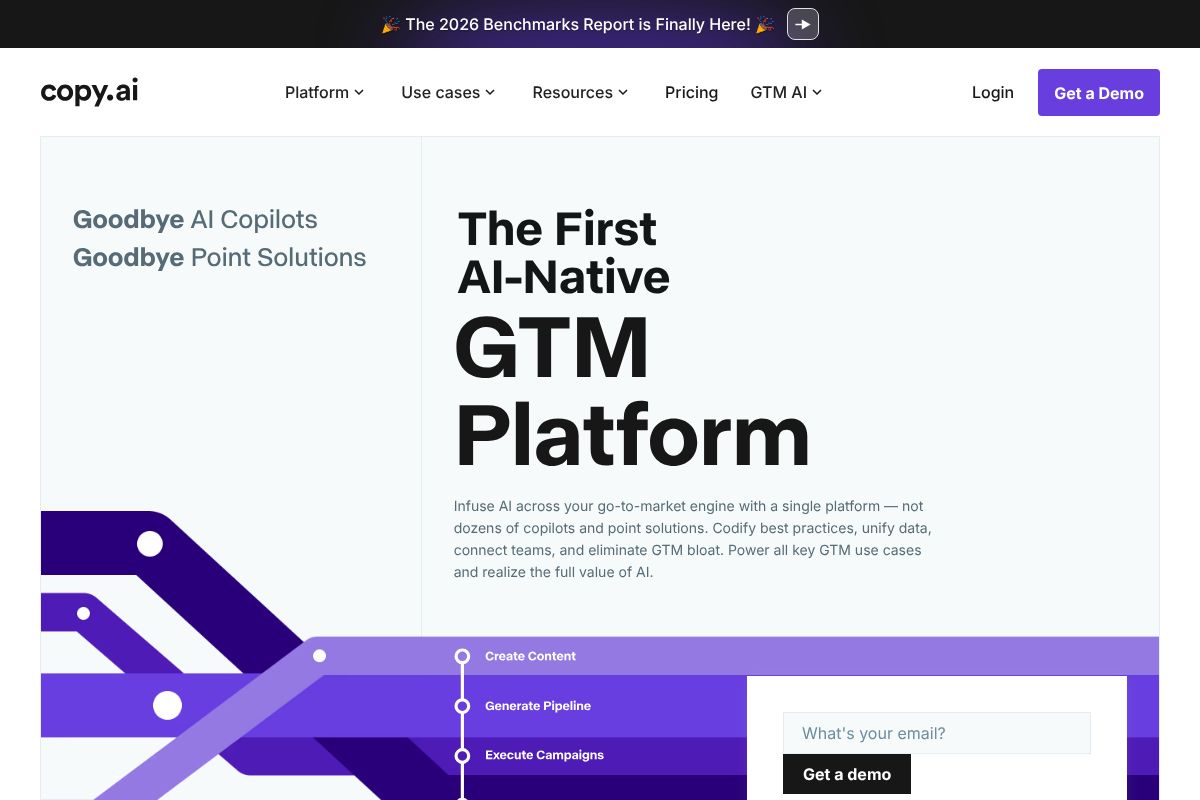
If you’re just testing the waters with AI-assisted long form content, Copy.ai is the most accessible entry point. The free tier exists but comes with meaningful limitations — restricted monthly word output and access to only basic templates, which makes it more useful for short copy than in-depth articles.
The paid plans are where Copy.ai becomes genuinely useful for solo creators:
- Chat Plan ($29/month): Unlimited words, access to core AI workflows, and one user seat — reasonable for creators publishing one to two pieces per week
- Pro Plan ($49/month): Adds advanced workflows, additional brand voice features, and priority support
The honest trade-off here is that Copy.ai’s long form output tends to need more editing than Jasper AI or Writesonic. You’re paying less, but you’re also putting in more post-generation work. For creators on tight budgets who don’t mind that extra layer, it’s a fair deal.
Mid-Range for Serious Creators
Once you’re producing four or more long form pieces per month, the mid-range tiers start delivering real return on investment. Jasper AI’s Creator plan at $49/month gives you one user seat, unlimited word generation, and access to core templates — a solid entry point into Jasper’s ecosystem. Stepping up to the Pro plan at $69/month unlocks multiple brand voices, more seats, and access to advanced workflows, which is where freelancers managing multiple clients see the most value.
Writesonic sits in a similar range, with plans running from $39 to $99/month depending on output volume and features. The higher tiers include expanded SEO tools and higher word limits, which makes sense if search traffic is central to your content strategy.
- Best for freelancers: Jasper Pro at $69/month for brand voice flexibility across clients
- Best for bloggers: Writesonic mid-tier for SEO-integrated workflows
- Teams of three or more: Jasper Teams at $125/month adds collaboration features worth the jump
At this price range, the tools pay for themselves quickly if you’re billing clients or monetizing content — the time savings alone typically cover the subscription within the first week of use.
Pros and Cons: What Works, What Doesn’t
AI writing tools have come a long way, but they’re not a silver bullet. Understanding where they genuinely help — and where they fall short — will save you frustration and help you get the most out of your subscription.
The biggest thing to keep in mind: AI output is a starting point, not a finished product. Even the best tools produce content that needs a human pass for accuracy, tone, and originality. Factor that editing time into your workflow from day one.
There’s also the question of consistency. Some sessions produce sharp, publish-ready drafts. Others feel generic or repetitive, especially if your prompts aren’t specific enough. There’s a real learning curve to writing effective prompts, and it can take a few weeks before you’re getting reliably strong output. Most tools also struggle with highly niche or technical topics — they can sound confident while being factually shallow, which is a genuine risk if your audience expects depth.
When AI Long Form Tools Shine
AI tools are genuinely excellent for blog posts, how-to guides, email sequences, product descriptions, and landing pages — essentially any content that follows a familiar structure and doesn’t require proprietary knowledge. If you’re producing content at scale, the speed advantage is hard to argue with. A solid 1,500-word draft in under five minutes means you can focus your energy on editing, strategy, and promotion rather than staring at a blank page. For marketers and creators juggling multiple content channels, that consistency and throughput is a real competitive edge.
When You Might Still Need a Human
Some work still belongs in human hands. Investigative journalism, deeply technical writing, personal essays, and brand storytelling that depends on a distinctive voice are all areas where AI tends to flatten nuance rather than capture it. If your audience follows you specifically because of how you think and write, an AI draft can actually dilute what makes your content valuable. Similarly, if you’re covering a specialized field — legal, medical, advanced engineering — a human expert who can verify claims and add real insight is worth the investment.
Who Should Use These Tools (And Who Shouldn’t)
AI long form writing tools have matured significantly, but they’re still not a universal fit. The good news is that for most content creators, marketers, small business owners, and freelancers, the barrier to entry is genuinely low — you don’t need a technical background or any coding knowledge to get real value out of these platforms. If you can write a decent brief or a clear prompt, you can use these tools effectively from day one.
Ideal User Profile
You’re likely a strong fit if you’re producing two or more pieces of content per week and feeling the strain of keeping up. These tools are built for people who need to scale output without scaling headcount — freelancers managing multiple clients, solo creators running a blog and newsletter simultaneously, or small business owners who can’t justify hiring a full-time writer.
The typical time savings are substantial. A well-structured 2,000-word article that might take you four to six hours to research, draft, and polish can often be compressed to under ninety minutes with AI handling the heavy lifting on the first draft. You’ll still need to edit, fact-check, and add your own perspective — but the blank-page problem largely disappears.
- Content creators benefit from faster drafts and consistent publishing schedules
- Marketers can maintain messaging consistency across campaigns and channels
- Small business owners can produce professional content without outsourcing everything
- Freelancers can take on more clients without burning out
If you’re comfortable doing light editing rather than expecting publication-ready output straight from the tool, you’ll get the most out of what’s available. Agencies with larger teams tend to get the most from platforms like Jasper AI, while solo creators often find Copy.ai or Writesonic a better match for their workflow and budget.
Quick Comparison: Jasper vs. Writesonic vs. Copy.ai
All three tools can handle long-form content, but they’re built with different users in mind. Here’s a side-by-side look at how they stack up across the factors that matter most for content creators and marketers.
| Jasper AI | Writesonic | Copy.ai | |
|---|---|---|---|
| Best For | Agencies & teams | Bloggers & SEO writers | Solo creators & beginners |
| Starting Price | ~$49/mo | ~$16/mo | Free tier available |
| Best Feature | Brand voice & team collaboration | AI Article Writer with SEO integration | Workflows & automation templates |
| Learning Curve | Moderate | Low to moderate | Low |
| Output Quality | High | High | Good |
| SEO Tools | Via integrations | Built-in | Limited |
No tool here is a clear winner for every situation. Jasper AI justifies its higher price point if you’re managing a team or need strict brand consistency. Writesonic punches above its weight on SEO features for the price. Copy.ai is the most accessible entry point but has less depth for heavy long-form work.
Which Tool Wins for Your Use Case?
Think of this as a quick decision tree before you commit to a free trial or subscription:
- You’re running a content agency or managing multiple writers → Jasper AI Teams gives you the collaboration features and brand controls you actually need.
- You’re a blogger focused on organic traffic → Writesonic is the strongest fit, thanks to its built-in SEO tools and article-focused workflow.
- You want to test AI writing before spending anything → Start with Copy.ai’s free tier to get a feel for AI-assisted content without risk.
- Budget is your primary constraint → Rytr offers a capable long-form experience at a fraction of the cost of the others.
The honest truth is that most people will do fine with two or three of these tools. The best approach is to match the tool to your primary use case rather than chasing the one with the longest feature list.
Final Verdict: How to Choose Your AI Long Form Tool
There’s no single best AI writing tool — there’s only the best tool for your situation. Your decision should come down to three things: your budget, how much content you’re producing each month, and whether you’re working solo or with a team. Get those three factors clear in your head before you open a checkout page.
It’s also worth saying plainly: the 2026 versions of these tools are meaningfully better than what was available even a year ago. If you tried Jasper AI, Writesonic, or Copy.ai in 2025 and walked away unimpressed, they’ve earned a second look. Output quality, contextual understanding, and long-form structure have all improved significantly across the board.
The smartest move right now is to pick one tool that fits your primary use case, run it for a full week on real content you’d normally write yourself, and measure the time saved. That’s it. Don’t trial three tools simultaneously — you’ll end up confused and uncommitted. One week, one tool, real work.
Most of these platforms offer free trials ranging from 7 to 14 days. Use that window deliberately. Bring in your actual briefs, your brand voice, your topic list. A tool that performs well on your content is worth far more than one that scores well on someone else’s benchmark.
Start Your Free Trial Today
All three of our top picks offer free trials with no credit card required on entry-level tiers — and you can cancel anytime, no hoops to jump through. Jasper AI offers a 7-day free trial on its paid plans. Writesonic and Copy.ai both have free tiers you can activate in minutes and start testing immediately.
Our recommendation: grab the free trial for whichever tool matched your use case in the section above, and spend one focused week writing with it. Plug in a real article, a real brief, or a real campaign — not a throwaway test. That’s the only way to know if it genuinely fits your workflow.
Disclosure: Some links in this article are affiliate links. If you sign up through them, we may earn a small commission at no extra cost to you. We only recommend tools we’ve evaluated directly.
Frequently Asked Questions
What is the best AI tool for writing long form content?
Jasper and Writesonic lead the market for long form content, offering advanced templates, fact-checking, and SEO optimization. Your best choice depends on budget, team size, and specific content needs like blog posts versus whitepapers.
Can AI tools write full length articles automatically?
Yes, modern AI tools can generate 2,000+ word articles with proper structure and citations. However, they require human review for factual accuracy, brand consistency, and originality before publishing to ensure quality standards.
How much does an AI long form content tool cost?
Pricing typically ranges from $39 to $500+ monthly. Starter plans offer 20,000-50,000 words monthly, while enterprise plans provide unlimited access, priority support, and advanced features like API integration and custom training.
Is AI generated long form content good for SEO?
AI-generated content can rank well when optimized for keywords and user intent. Most tools include SEO features, but human editing improves readability, E-E-A-T signals, and search performance compared to unedited AI output.
Related Reads
- Jasper AI Review 2026: Is It Worth the Cost?
Honest Jasper AI review for 2026. See pricing, features, pros/cons, and how it compares to Copy.ai and Writesonic for co…
- Jasper vs Writesonic: Which AI Writer Wins in 2026?
Compare Jasper vs Writesonic in 2026. See pricing, features, and which AI writing tool fits your content needs best.…
- Rytr Review 2026: Is This AI Writing Tool Worth It?
Honest Rytr review for 2026. See pricing, features, pros/cons, and how it compares to Jasper, Copy.ai, and Writesonic fo…